 (604) 305-2992
 Schedule An Appointment
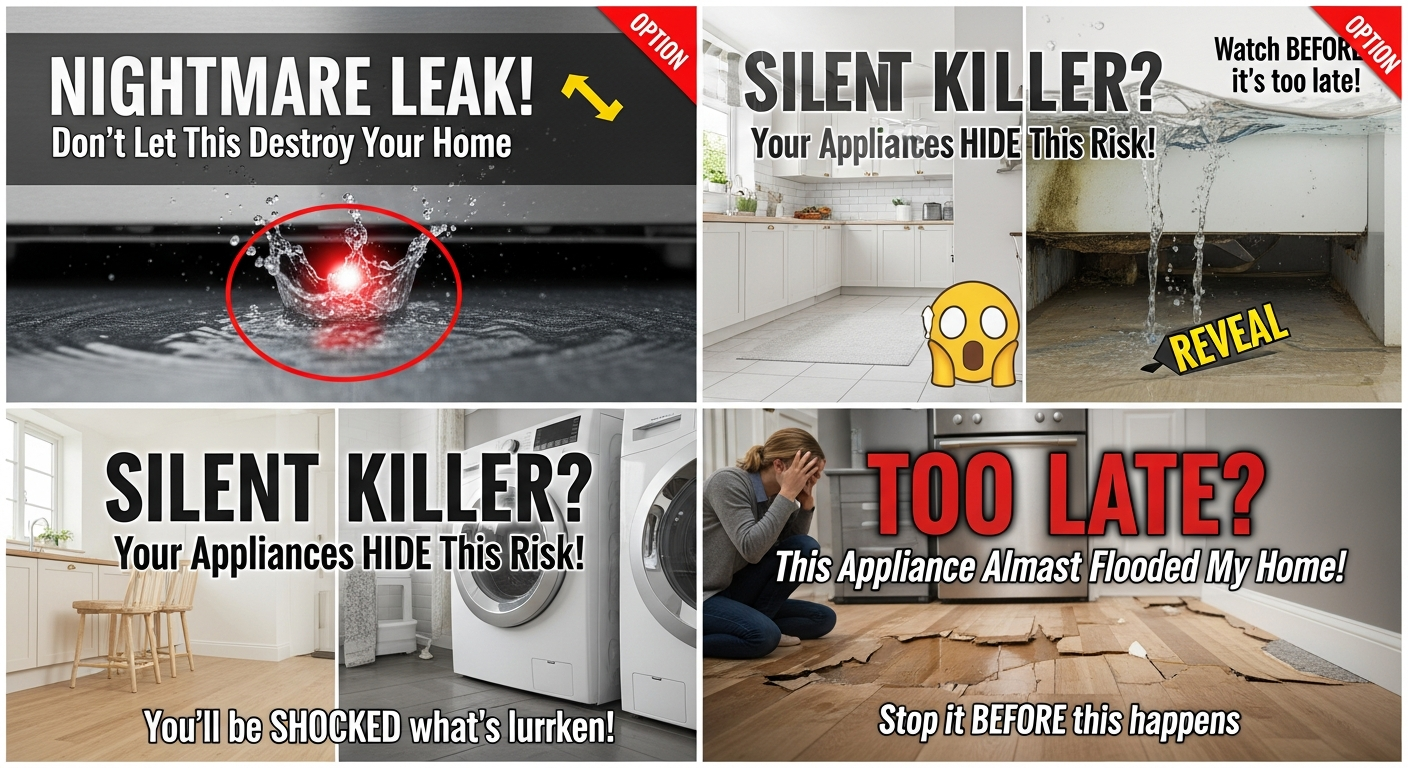
The Appliance Water Leak Emergency: Hidden Flood Risks
Wondering why that small puddle under your dishwasher could turn into a home renovation nightmare? You’re about to discover the sneaky ways appliance leaks can transform from minor drips into catastrophic floods that’ll have you calling your insurance company! Picture this: you’re living your best life in beautiful Chilliwack, maybe grabbing coffee in downtown or exploring the trails near Cultus Lake, when you come home to find your hardwood floors warped beyond recognition. The culprit? That “tiny” leak behind your washing machine that you kept meaning to check out. Trust me, I’ve been there, and it’s not pretty. Appliance water leaks are like that friend who seems harmless but secretly causes chaos everywhere they go. What starts as a few drops can quickly escalate into thousands of dollars in damage, mold problems, and the kind of stress that makes you question all your life choices. [IMAGE PLACEHOLDER FOR IMAGE1]
Key Outtakes:
- Appliance leaks can cause structural damage, health risks from mold, and skyrocketing utility bills
- Hidden leaks often go undetected for months, causing gradual but extensive damage to foundations, walls, and floors
- Early detection through regular maintenance and professional inspections can prevent catastrophic flooding
- Modern leak detection technology like thermal imaging and acoustic sensors can pinpoint problems before visible damage occurs
- Professional appliance repair services offer comprehensive solutions including emergency response and preventive maintenance
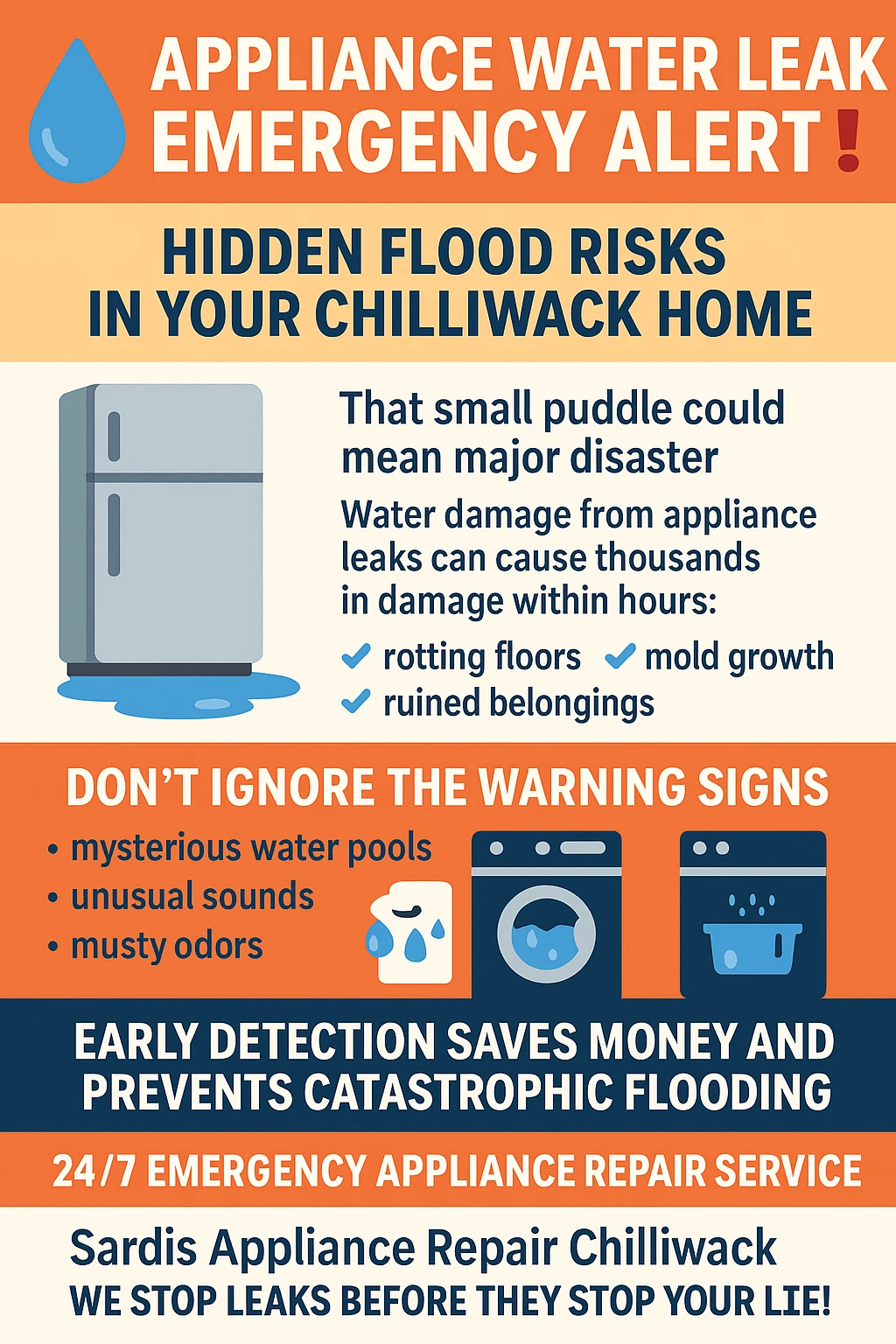
Understanding the Hidden Dangers of Appliance Water Leaks
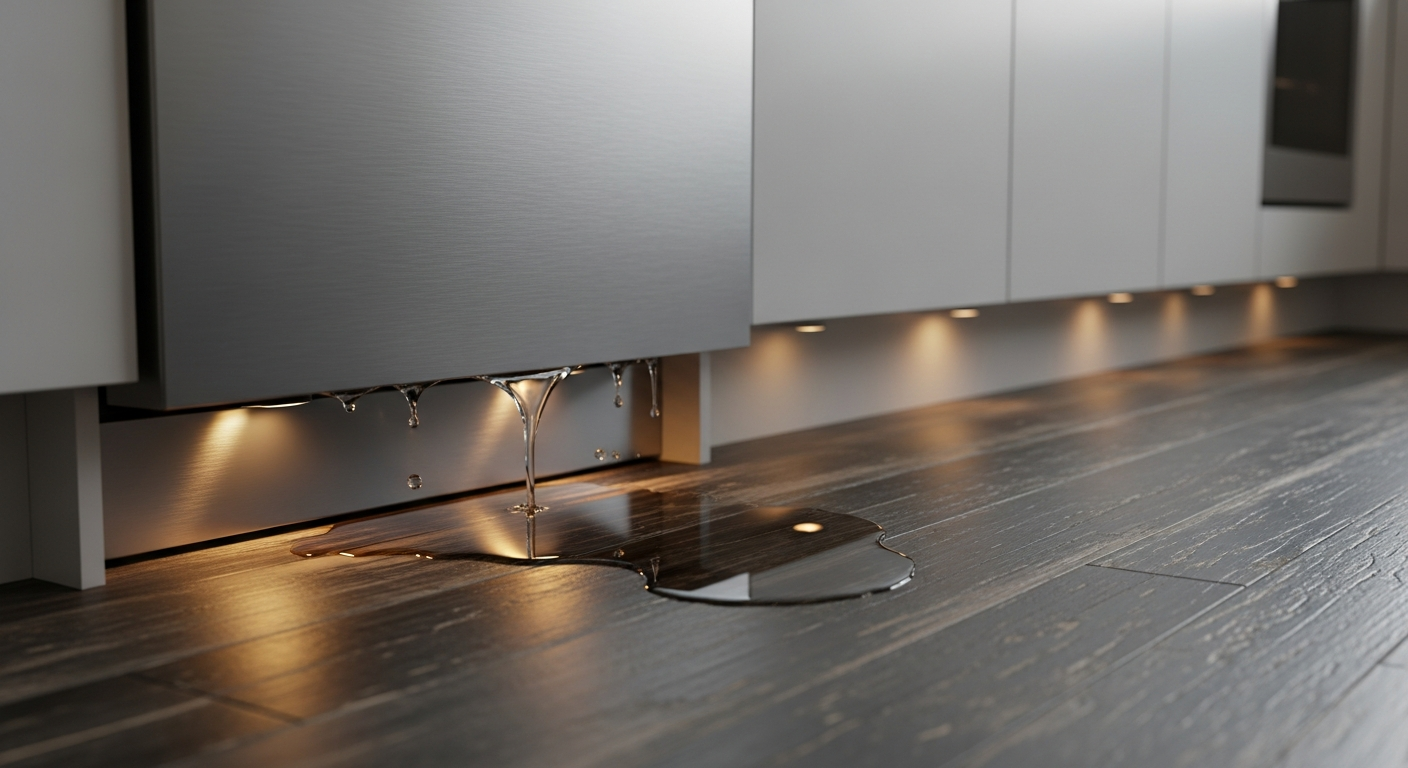 Let’s get real about something that keeps me up at night thinking about homeowners across Sardis and Vedder Crossing. Appliance water leaks aren’t just about mopping up a puddle and moving on with your day. These sneaky little disasters have a talent for hiding in the most inconvenient places, slowly but surely turning your dream home into a moisture-damaged nightmare. The thing about water is that it’s incredibly patient and persistent. While you’re busy living your life, a slow leak from your refrigerator’s ice maker line can be quietly soaking into your subfloor, creating the perfect environment for mold growth and wood rot. By the time you notice that musty smell or see visible damage, you’re looking at repairs that could cost thousands of dollars. What makes appliance leaks particularly dangerous is their ability to remain hidden for extended periods. Unlike a burst pipe that announces itself with dramatic flooding, appliance leaks often operate in stealth mode. They might only leak when the dishwasher runs a certain cycle, or when the washing machine hits the spin cycle, making detection incredibly challenging for the average homeowner.
Common Appliance Leak Sources and Warning Signs
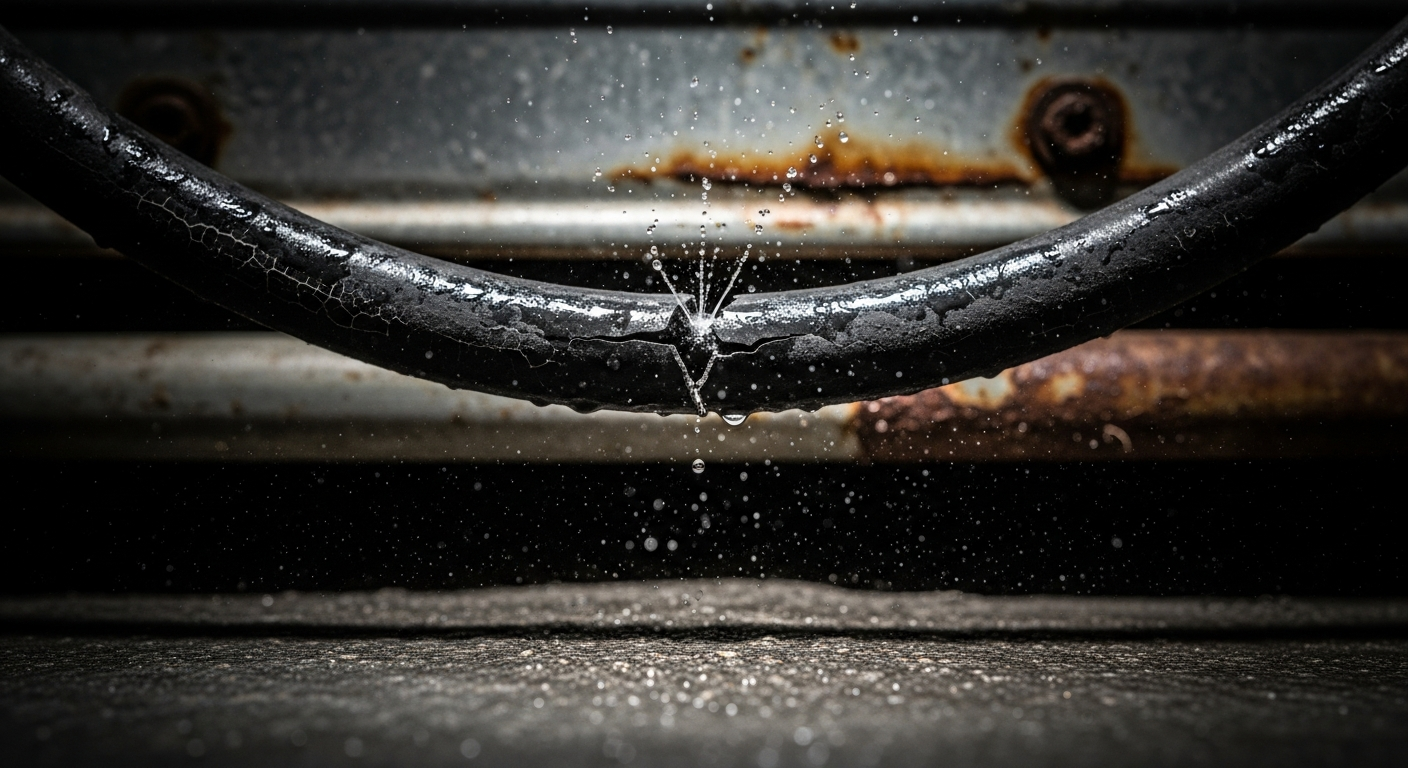 Now that we’ve established how sneaky these leaks can be, let’s dive into the most common culprits that keep appliance repair technicians busy throughout the Fraser Valley. Your washing machine is probably public enemy number one when it comes to water damage. Those rubber hoses connecting your washer to the water supply? They’re basically ticking time bombs, especially if they’re more than five years old. I learned this lesson the hard way when a friend’s washing machine hose decided to give up the ghost while they were at work. They came home to find their laundry room had transformed into an indoor swimming pool, complete with water damage extending into the adjacent kitchen and hallway. The insurance claim was a headache that lasted months, and don’t even get me started on the temporary living arrangements. Dishwashers are another major offender, particularly around the door seals and drain connections. These leaks often start small, maybe just dampening the cabinet floor beneath the unit. However, that moisture creates perfect conditions for mold growth and can eventually cause cabinet materials to warp and deteriorate. Refrigerators with ice makers and water dispensers present their own unique challenges, as the water lines running to these features can develop leaks that remain hidden behind or underneath the appliance. The professionals at Priority Appliance Service frequently encounter these types of hidden refrigerator leaks during routine maintenance calls. [IMAGE PLACEHOLDER FOR IMAGE2]
Early Detection Strategies
The key to preventing minor leaks from becoming major disasters lies in knowing what to look for before the damage becomes obvious. Start by checking around your appliances monthly for signs of moisture, including water stains, warped flooring, or that telltale musty odor that signals mold growth. Pay particular attention to the areas behind and beneath your appliances, where leaks often begin. Look for rust or corrosion on water connections, as these are clear indicators that moisture has been present for an extended period. Check your water bill regularly for unexplained increases, as even small leaks can add up to significant water waste over time. If you notice your water usage has increased without a corresponding change in household habits, it’s time to investigate potential leaks. Don’t ignore subtle signs like loose or soft flooring around appliances, as this often indicates water damage to subflooring materials. Similarly, if you notice mineral deposits or water stains on nearby walls or cabinets, these could signal an ongoing leak that requires immediate attention.
The True Cost of Ignoring Appliance Leaks
 When I talk to homeowners in neighborhoods like Promontory about the financial impact of water damage, their initial reaction is usually surprise at how quickly costs can escalate. A simple washing machine leak that goes undetected for just a few weeks can easily result in repair bills exceeding ten thousand dollars when you factor in flooring replacement, drywall repair, mold remediation, and potential structural damage. Insurance companies are increasingly scrutinizing water damage claims, particularly those resulting from maintenance issues like old appliance hoses or neglected repairs. Many policies exclude coverage for damage deemed preventable through regular maintenance, leaving homeowners responsible for the full cost of repairs. This makes early detection and prevention not just a matter of convenience, but a crucial financial protection strategy. The health implications of untreated water damage extend far beyond the immediate inconvenience of repairs. Mold growth resulting from chronic moisture problems can trigger serious respiratory issues, particularly for children, elderly family members, and anyone with existing health conditions. Professional mold remediation can cost thousands of dollars and may require temporary relocation while the work is completed. Beyond the immediate costs, water damage can significantly impact your home’s resale value. Potential buyers are understandably wary of homes with a history of water damage, even if repairs have been completed professionally. Disclosure requirements mean you’ll need to inform future buyers about any significant water damage incidents, which can complicate sales negotiations and reduce your home’s market value.
Insurance Considerations and Coverage Limitations
Understanding your insurance coverage before disaster strikes is crucial for protecting your financial interests. Most homeowner’s policies distinguish between sudden, accidental water damage and gradual damage resulting from maintenance neglect. A burst washing machine hose might be covered, while damage from a slow leak that you should have detected and repaired might not be. Review your policy carefully and consider adding coverage for appliance-related water damage if it’s not already included. Some insurers offer endorsements specifically for appliance leaks, which can provide valuable protection against these common but costly incidents. Document the age and condition of your appliances regularly, as this information can be crucial when filing claims.
Professional Solutions and Emergency Response
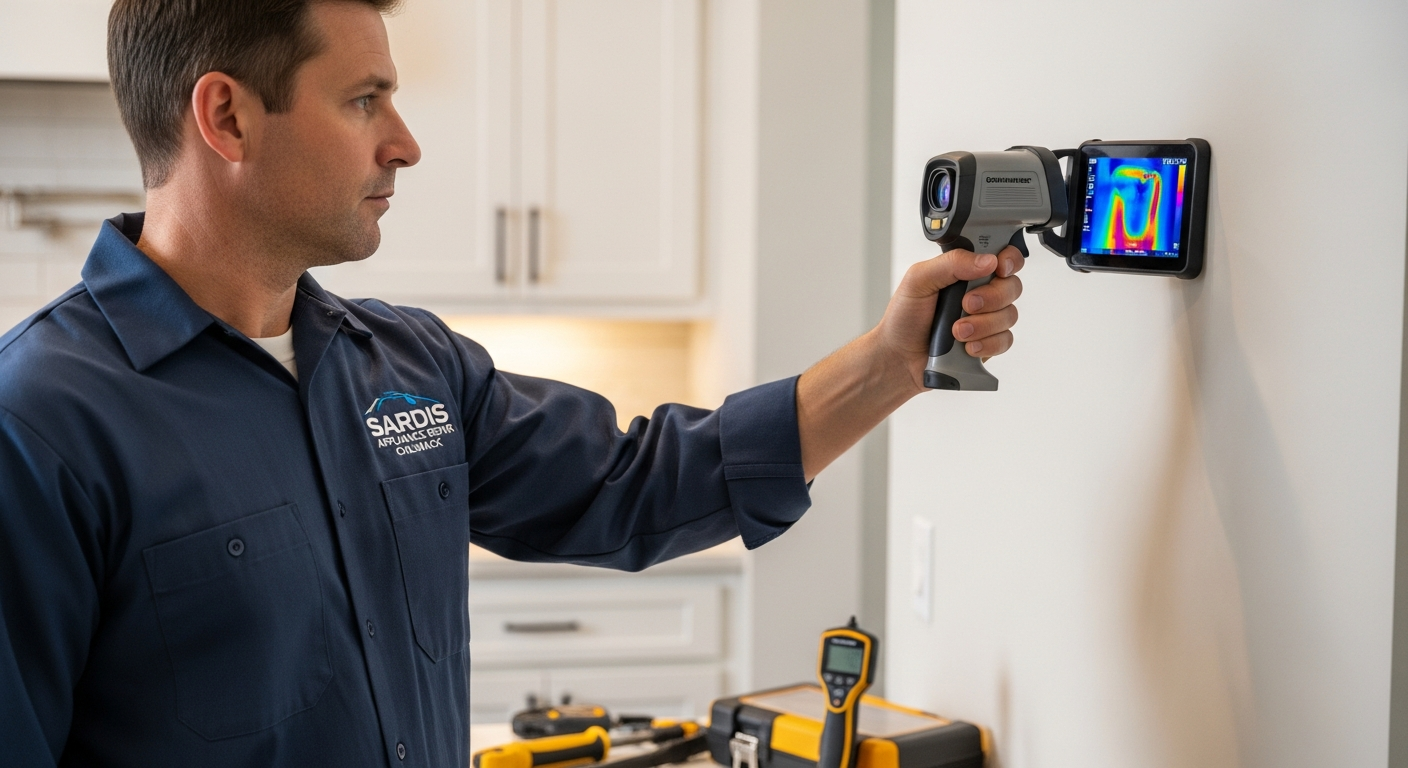
This is where having a relationship with qualified professionals becomes absolutely invaluable for homeowners throughout the Chilliwack area. When appliance leaks strike, time is of the essence, and knowing who to call can mean the difference between a minor repair and a major renovation project. Professional appliance repair services offer comprehensive solutions that go far beyond simply fixing the immediate problem. Modern leak detection technology has revolutionized how professionals approach these challenges. Thermal imaging cameras can identify temperature variations that indicate moisture problems, even when they’re hidden behind walls or under flooring. Acoustic leak detection equipment can pinpoint the exact location of leaks in water lines, eliminating the need for destructive investigation methods that can cause additional damage to your home. Professional technicians bring specialized tools and expertise that allow them to diagnose problems quickly and accurately. They can identify not just the immediate leak source, but also potential contributing factors that might lead to future problems. This comprehensive approach helps prevent recurring issues and provides homeowners with confidence that the repair will be lasting and effective. Emergency response services are particularly valuable when dealing with active leaks that threaten significant damage. Professional teams can quickly shut off water supplies, extract standing water, and begin drying procedures to minimize damage while planning permanent repairs. This rapid response capability can save thousands of dollars in additional damage and reduce the disruption to your daily life. [IMAGE PLACEHOLDER FOR IMAGE3]
Advanced Detection Technology
The technology available for leak detection has advanced dramatically in recent years, offering homeowners options that were previously available only to insurance investigators and restoration professionals. Smart home water monitors can detect unusual water usage patterns and alert you to potential leaks before they cause visible damage. Professional-grade moisture meters can measure water content in building materials, helping identify problem areas that might not be obvious through visual inspection. These tools allow technicians to map the extent of water damage accurately, ensuring that all affected areas are properly addressed during repairs.
Preventive Maintenance and Long-term Protection
Creating a comprehensive maintenance schedule for your appliances is like having insurance against water damage disasters. I always tell homeowners to think of appliance maintenance the same way they think about changing the oil in their car – it’s a small investment that prevents much larger problems down the road. Regular maintenance visits from qualified technicians can identify potential problems before they become costly emergencies. Start by replacing washing machine hoses every five years, regardless of their apparent condition. Regular maintenance visits from qualified technicians can identify potential problems before they become costly emergencies. Start by replacing washing machine hoses every five years, regardless of their apparent condition. Rubber hoses deteriorate over time, and failure often occurs without warning. Consider upgrading to braided stainless steel hoses, which are more durable and less likely to fail catastrophically. Similarly, inspect dishwasher door seals regularly for signs of wear or damage, and clean them according to manufacturer recommendations to prevent deterioration. Refrigerator maintenance should include checking water line connections annually, particularly for units with ice makers and water dispensers. These connections are often located in tight spaces that don’t receive regular attention, making them prime candidates for undetected leaks. Professional maintenance visits can include pressure testing of water lines and replacement of aging components before they fail. Keep detailed records of appliance maintenance and repairs, including photos of connections and components. This documentation can be valuable for warranty claims and insurance purposes, and it helps track the condition of your appliances over time. Many manufacturers require proof of regular maintenance to honor warranty coverage, making these records essential for protecting your investment.
Frequently Asked Questions
How can I tell if my appliance has a hidden water leak?
Look for subtle signs that many homeowners miss during their regular cleaning routines. Check for soft or discolored flooring around appliances, especially near water connections. Pay attention to any musty odors, which often indicate mold growth from moisture problems. Monitor your water bills for unexplained increases, as even small leaks can waste significant amounts of water over time. Use a flashlight to inspect areas behind and under appliances monthly, looking for water stains, rust, or mineral deposits that suggest ongoing moisture problems.
What should I do immediately when I discover an appliance leak?
Your first priority should be stopping the water flow to prevent additional damage. Locate the shut-off valves for the affected appliance and turn off the water supply immediately. If you can’t find appliance-specific valves, turn off the main water supply to your home. Remove any standing water using towels or a wet vacuum, and move furniture or belongings away from the affected area. Contact a professional appliance repair service promptly, as quick action can prevent minor leaks from becoming major disasters that require extensive restoration work.
Are appliance leaks covered by homeowner’s insurance?
Coverage depends on the specific circumstances of the leak and the terms of your policy. Sudden, accidental failures like burst washing machine hoses are often covered, while gradual damage from maintenance neglect may be excluded. Review your policy carefully to understand what types of water damage are covered. Some insurers offer specific endorsements for appliance-related water damage that can provide additional protection. Document the age and maintenance history of your appliances, as this information can be crucial when filing claims. Consider consulting with your insurance agent to ensure you have adequate coverage for your specific situation.
Wrapping Up
Appliance water leaks might seem like minor inconveniences, but they have the potential to cause devastating damage that can cost thousands of dollars and months of disruption to your daily life. The key to protecting your home and your wallet lies in early detection, regular maintenance, and quick action when problems arise. By understanding the warning signs and taking preventive measures, you can avoid the stress and expense of major water damage repairs. When appliance emergencies strike your Chilliwack home, don’t let a small leak become a big disaster. Sardis Appliance Repair Chilliwack offers comprehensive repair services and emergency response throughout the Fraser Valley, including Sardis, Vedder Crossing, and Promontory. Our experienced technicians use advanced detection technology to identify problems quickly and provide lasting solutions that protect your home from future water damage incidents.