 (604) 305-2992
 Schedule An Appointment
The Appliance Water Damage Prevention Crisis: How Leaky Hoses, Clogged Drains, and Faulty Seals Are Flooding Chiliwack Homes (And the 10-Minute Inspection That Could Save You Thousands)
Tired of hearing horror stories about neighbors whose washing machines flooded their entire main floor, or friends who discovered their water heater had been leaking for weeks behind that finished basement wall? The truth is, appliance water damage has become an absolute epidemic in Chiliwack homes, with leaky hoses, clogged drains, and faulty seals turning everyday household equipment into ticking time bombs that can cause tens of thousands in damage faster than you can say “insurance deductible.”
Picture this scenario that’s playing out way too often across the Fraser Valley: You’re enjoying a peaceful weekend when suddenly you hear that dreaded sound of water where water definitely shouldn’t be. Maybe it’s your dishwasher that’s decided to turn your kitchen into an indoor pool, or perhaps your washing machine hose finally gave up after years of faithful service and is now pumping 650 gallons per hour directly onto your hardwood floors. By the time you discover the problem, you’re looking at not just the immediate mess, but potential mold growth within 24-48 hours and repair bills that can easily hit $15,000 or more.
What makes this whole situation even more frustrating is that most of these disasters are completely preventable. We’re talking about simple maintenance checks that take literally minutes to complete, basic component upgrades that cost less than a nice dinner out, and early warning systems that can shut off your water supply before catastrophic flooding occurs. The difference between a minor inconvenience and a major insurance claim often comes down to whether you caught the problem during your monthly inspection or discovered it when you came home to a flooded house.
The unique challenges facing Chiliwack homeowners make this prevention crisis particularly urgent. Our Fraser Valley location means we deal with seasonal moisture patterns that stress appliance seals and gaskets, older homes with aging infrastructure, and rapid temperature changes that cause expansion and contraction in water supply lines. Add in the fact that modern appliances are more complex than ever before – with electronic controls that are vulnerable to moisture damage – and you’ve got a perfect storm of conditions that demand proactive prevention strategies.
Key Outtakes:
- Washing machine hoses are the #1 cause of catastrophic home flooding, with rubber hoses needing replacement every 3-5 years regardless of visible condition
- A simple 10-minute monthly inspection checking for moisture around appliances, testing shut-off valves, and examining hose connections can prevent 90% of water damage incidents
- Smart water monitoring systems can detect leaks as small as one-hundredth of a gallon per minute and automatically shut off water supply, potentially preventing $15,000+ in damage
- Fraser Valley homes face unique risks from seasonal moisture and temperature fluctuations that accelerate appliance component failure
- Insurance covers sudden water damage but excludes gradual leaks and maintenance neglect, making prevention the only reliable financial protection
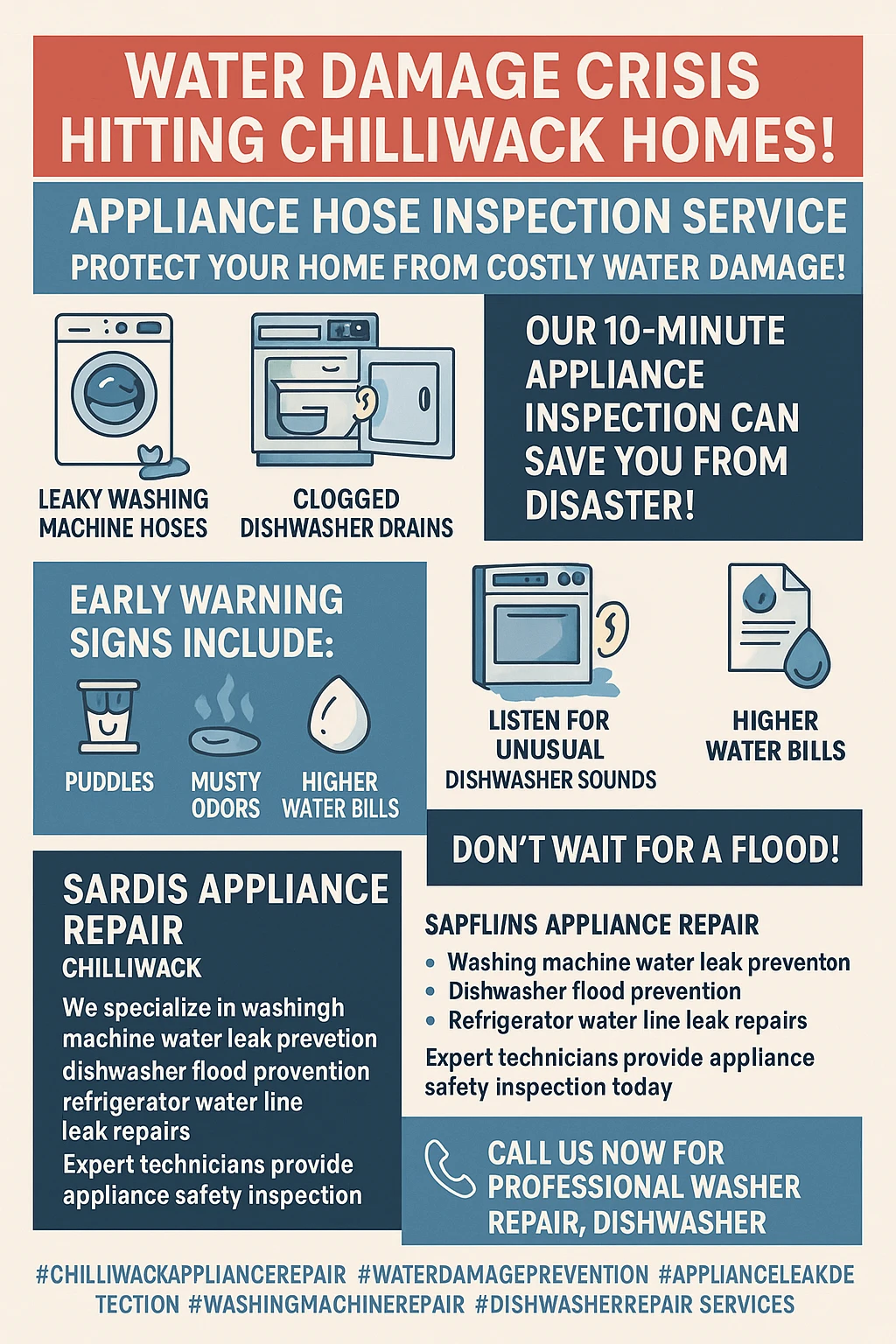
The Hidden Epidemic: How Common Appliances Become Water Damage Disasters
Let’s get real about what we’re actually dealing with here. The statistics are honestly pretty shocking when you dig into them. Between 2019 and 2023, approximately 22.6% of home insurance claims were due to water damage, with the average claim costing over $15,000. But here’s the kicker – by 2022, water damage was affecting 44% of households, nearly doubling from just 27% in 2020. We’re literally watching a water damage epidemic unfold in real time, and household appliances are leading the charge.
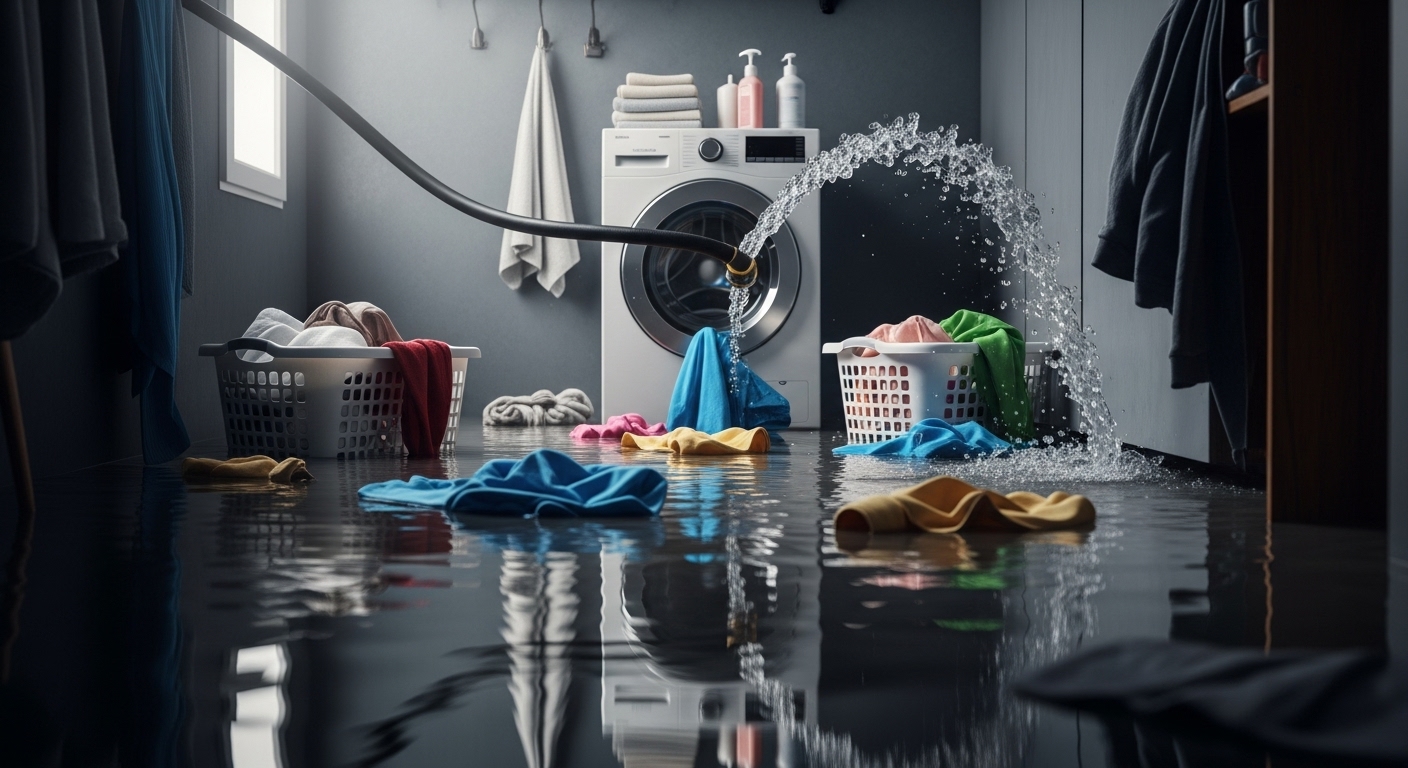
The thing that really gets me fired up about this whole situation is how preventable most of these disasters actually are. Just one inch of water infiltrating your home can cause up to $25,000 worth of damage according to FEMA, but most homeowners have no idea that their washing machine hoses are basically disaster waiting to happen. The average household loses nearly 10,000 gallons of water annually to undetected leaks – that’s like leaving a garden hose running for hours every single day without realizing it.
What makes appliance water damage particularly insidious is the timeline we’re working with. Mold and mildew can begin growing within just 24-48 hours after water exposure, and by 72 hours, you’ve got established colonies actively releasing spores into your home’s air. This compressed timeline means that the difference between a quick cleanup and a major remediation project often comes down to whether you were home when the leak started or discovered it after a weekend away.
The most dangerous part? The appliances that pose the biggest threats are the ones we use every single day without thinking twice about them. Your washing machine uses almost 30 gallons of water per load and operates under constant pressure that can cause hose failures without warning. Your dishwasher cycles hot water and steam through seals and gaskets that deteriorate over time. Your refrigerator’s ice maker relies on small plastic supply lines that can crack and leak behind your appliance where you’ll never notice until serious damage has occurred.
And here’s something that’ll really blow your mind – modern appliances are actually more vulnerable to water damage than the old-school models our parents used. Today’s smart dishwashers, high-efficiency washing machines, and refrigerators with digital displays are packed with sensitive electronics that can be destroyed by even small amounts of moisture. When these systems fail, you’re not just dealing with water damage to your home; you’re also looking at expensive appliance repairs or replacements that aren’t covered by your homeowner’s insurance.
The Big Three: Washing Machines, Dishwashers, and Water Heaters
If we’re talking appliance water damage prevention, we need to start with the holy trinity of household flooding: washing machines, dishwashers, and water heaters. These three appliances are responsible for the vast majority of catastrophic water damage incidents, and each one has its own unique ways of turning your life upside down when things go wrong.
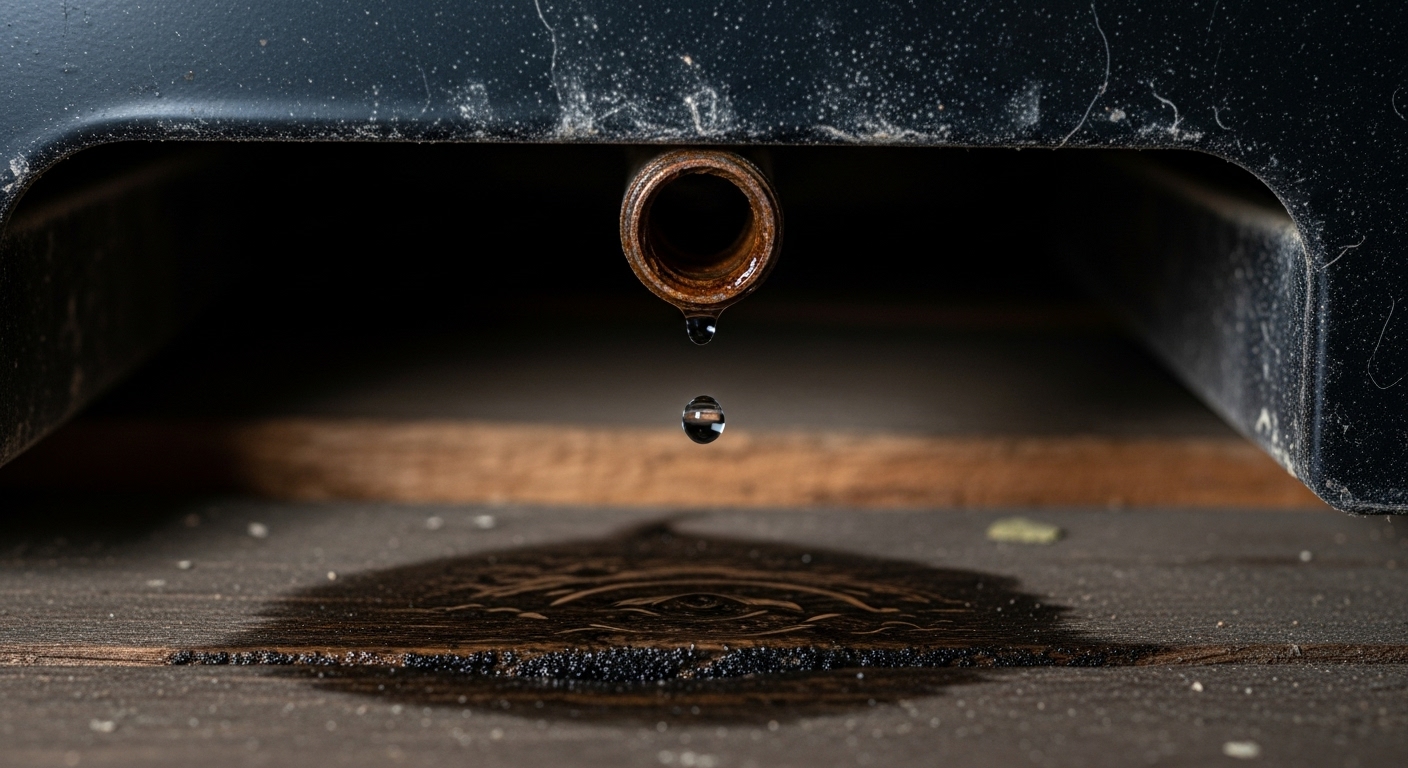
Washing machines are honestly terrifying when you really think about what they’re doing. Every time you run a load, you’re pumping almost 30 gallons of water through hoses that are under constant pressure, cycling that water through a machine that’s literally shaking and vibrating for 45 minutes or more. The supply hoses are the weakest link in this whole system, and when they fail, they fail spectacularly. A burst washing machine hose can release up to 650 gallons of water per hour – that’s enough to flood an entire level of your home in just a couple of hours if no one’s around to shut off the water supply.
The really frustrating part about washing machine disasters is how easy they are to prevent with basic maintenance. Most hose failures happen because rubber hoses deteriorate from the inside out, losing flexibility and developing microscopic cracks that you can’t see until they become catastrophic ruptures. The standard rubber hoses that come with most washing machines should be replaced every 3-5 years regardless of how they look, but most homeowners never even think about this until disaster strikes.
Dishwashers present a different category of risk because they combine hot water, steam, and mechanical stress in ways that gradually wear down seals and gaskets. The door seals are particularly vulnerable – every time you run a cycle, hot water and steam are pressing against these rubber components, and over time, they start to crack or lose their shape. When that happens, water starts escaping during wash cycles, usually pooling under your dishwasher where it can soak into subflooring and cabinetry before you even realize there’s a problem.
What makes dishwasher leaks particularly sneaky is that they often start small. Maybe you notice a tiny puddle occasionally, or your kitchen cabinets start feeling a little soft near the dishwasher. By the time the problem becomes obvious, water has often been seeping into your kitchen structure for weeks or months, causing hidden damage that can cost thousands to repair properly. The Consumer Reports data showing that about 30% of newly purchased dishwashers develop problems within their first five years should be a wake-up call about how even relatively new appliances need constant monitoring.
Water heaters represent perhaps the most catastrophic risk category because they store 40-80 gallons of pressurize