 (604) 305-2992
 Schedule An Appointment
The Appliance Smell Alert: Odors That Signal Danger
Ever walked into your laundry room and caught a whiff of something funky, only to realize it’s not your dirty clothes but your washing machine? Don’t ignore those strange odors coming from your appliances – they could be warning signs of serious problems that need immediate attention.
As someone who’s spent way too much time troubleshooting my own appliances (and learning some hard lessons along the way), I can tell you that weird smells are like your appliances’ way of crying for help. Whether you’re living in the charming neighborhoods of Sardis, the family-friendly streets of Promontory, or anywhere else in the Chilliwack area, understanding these olfactory warning signs can save you from costly repairs – or worse, dangerous situations.
Think of appliance odors like smoke alarms for your kitchen and laundry room. Just like you wouldn’t ignore a beeping smoke detector, you shouldn’t brush off that strange burning smell coming from your dryer or that musty odor wafting from your washing machine. These smells are your first line of defense against appliance disasters.
Key Outtakes:
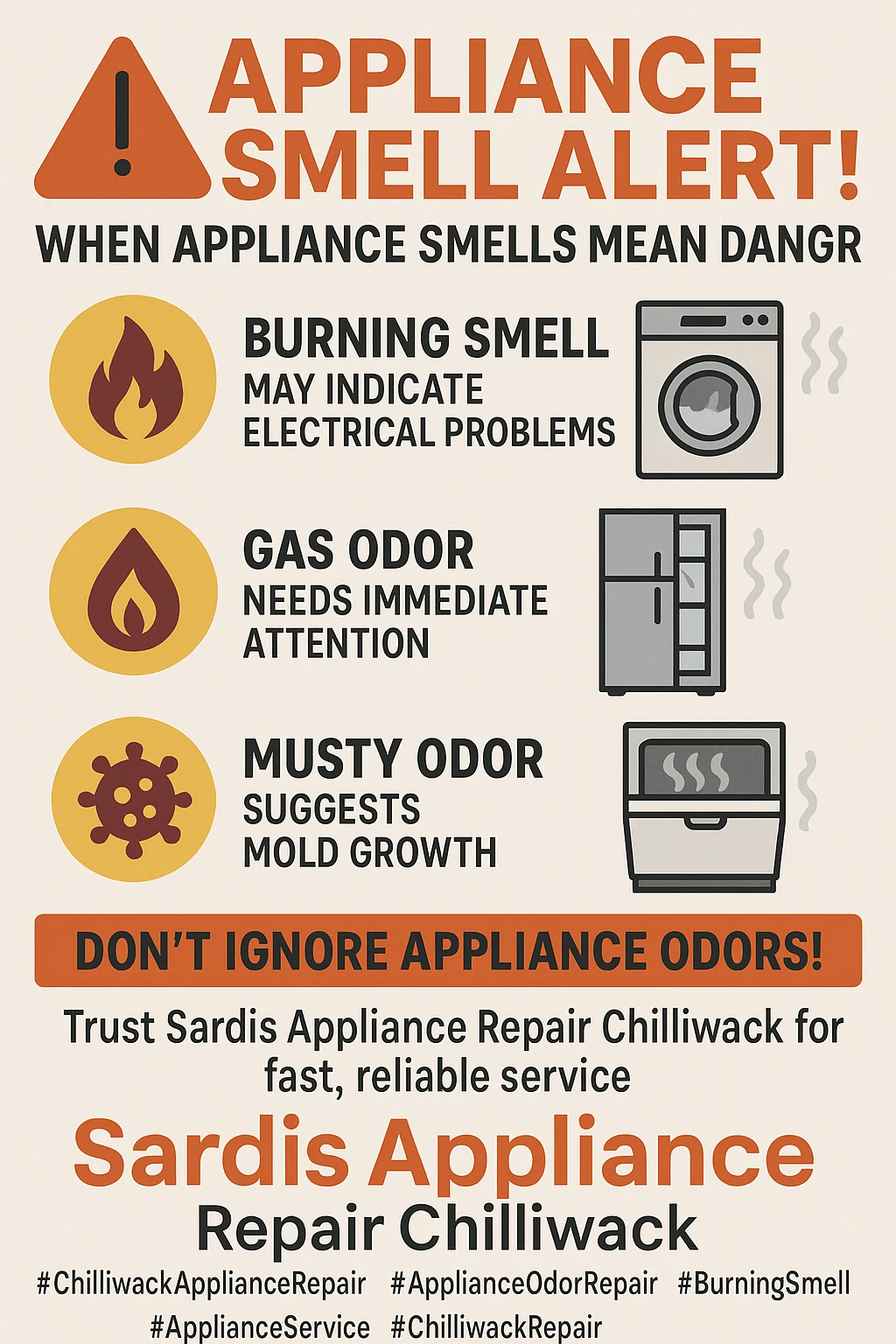
- Burning smells from appliances often indicate overheating components or electrical issues that require immediate attention
- Musty or moldy odors from washing machines signal moisture buildup and bacterial growth that can damage your appliance
- Gas odors near stoves or ovens are serious safety hazards that need professional intervention right away
- Regular maintenance and proper ventilation can prevent most dangerous appliance odors from developing
- Some smells indicate simple cleaning needs, while others signal the need for professional appliance repair
Understanding the Language of Appliance Odors
Your appliances are constantly communicating with you, and smell is one of their primary languages. Just like how different car engine sounds tell you different things about what’s happening under the hood, appliance odors each have their own meaning and urgency level. Learning to “speak smell” can literally be a lifesaver.
Washing Machine Odors That Spell Trouble
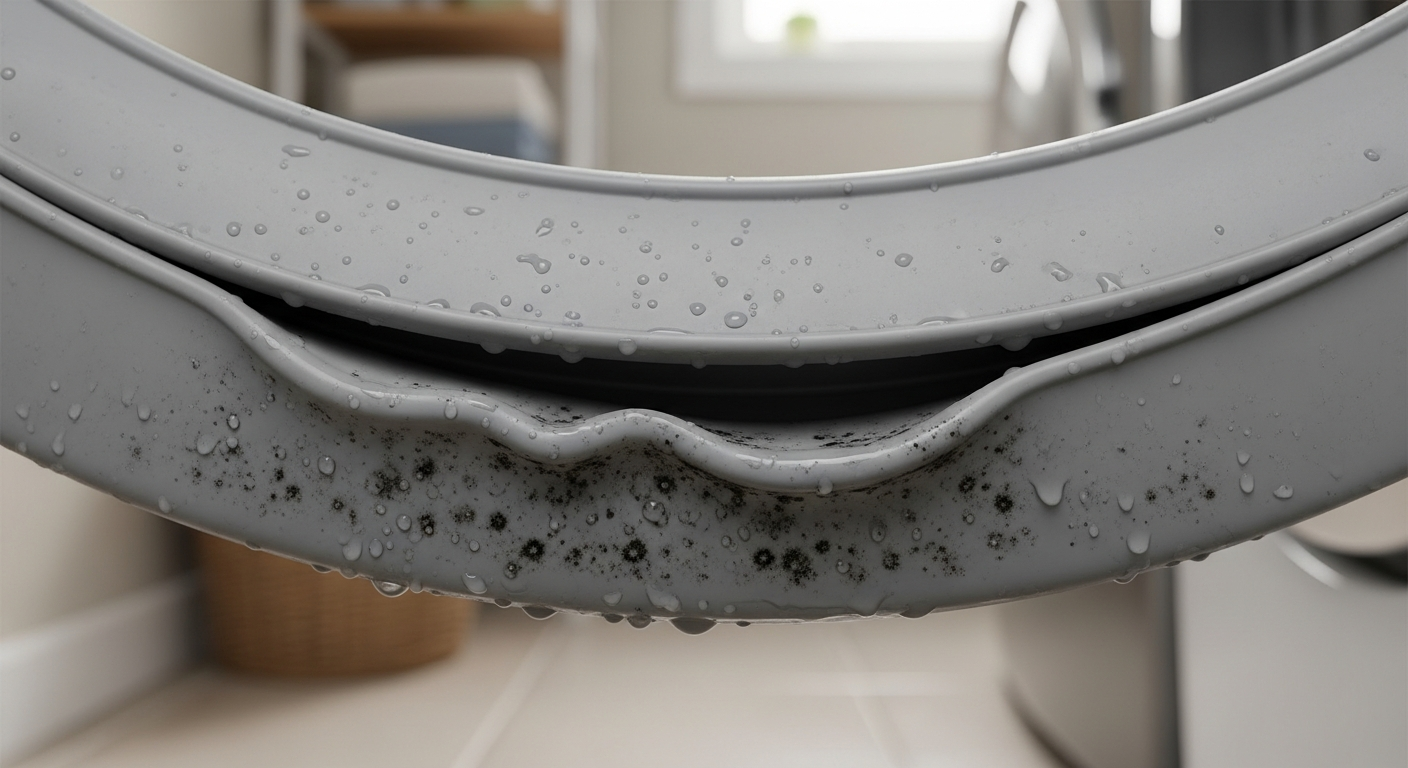
Let’s start with the laundry room, because honestly, washing machine smells are probably the most common appliance odor complaints I hear about. You’d think a machine designed to clean things would stay clean itself, but washing machines are actually perfect breeding grounds for all kinds of funky smells. The combination of moisture, warmth, and organic matter creates an ideal environment for bacteria and mold growth.
That musty, swamp-like smell coming from your front-loading washer? It’s usually mold and mildew setting up shop in the rubber door gasket. These little organisms love the damp, dark environment and can quickly spread throughout your machine if left unchecked. While not immediately dangerous, this buildup can damage your washer’s components over time and make your “clean” clothes smell worse than when you put them in.
The Hidden Dangers of Detergent Buildup
Here’s something that surprised me when I first learned about it: using too much detergent can actually create dangerous conditions in your washing machine. Excess detergent doesn’t just disappear – it builds up in your machine’s hidden corners and creates a sticky film that traps dirt, lint, and bacteria.
Kitchen Appliance Warning Smells
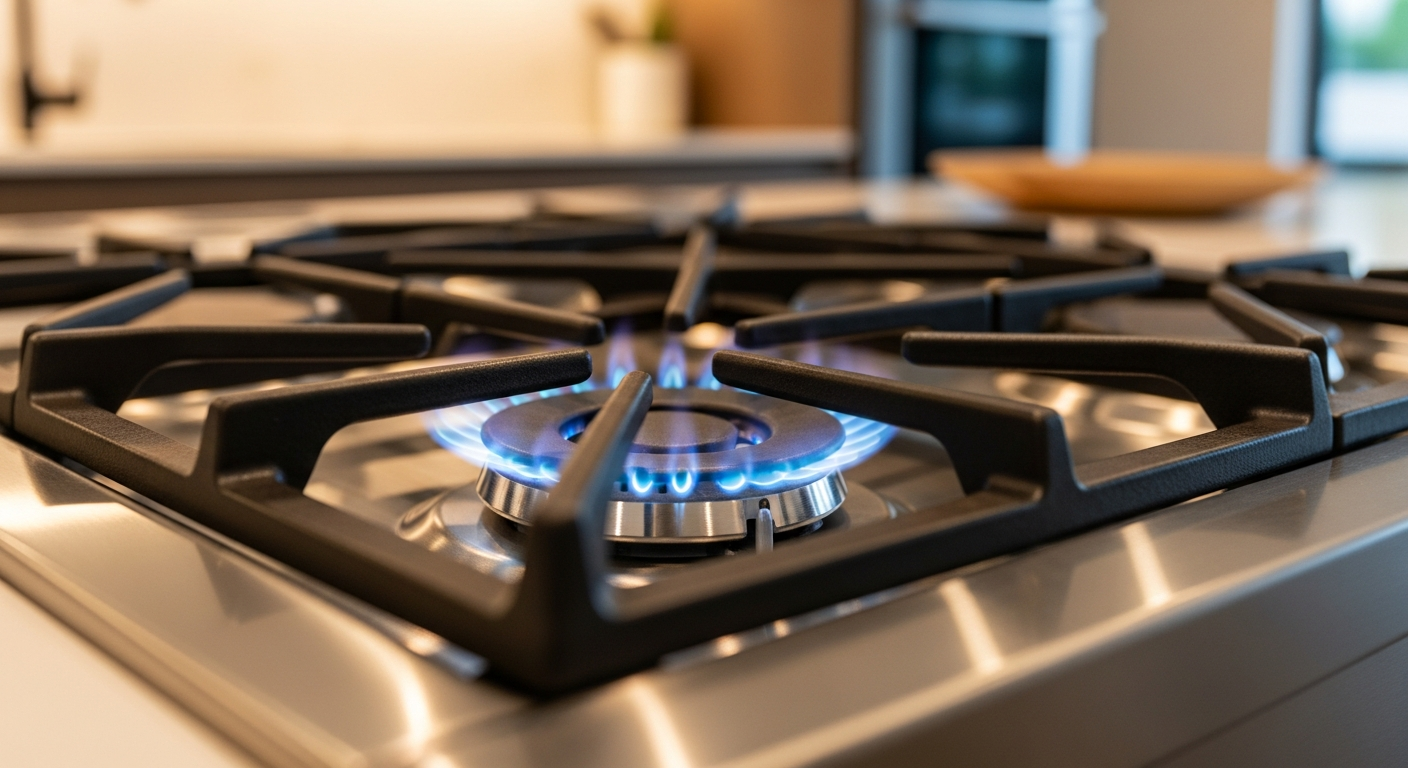
Moving into the kitchen, we encounter a whole different set of potential odor dangers. Kitchen appliances deal with food, grease, and high temperatures, creating unique challenges and warning signs. The stakes here can be even higher, as kitchen appliance problems can quickly escalate to fire hazards or gas safety issues.
Gas stoves and ovens present some of the most serious odor-related dangers in your home. That distinctive “rotten egg” smell of gas leaks is intentionally added to natural gas specifically so you’ll notice it. If you smell gas near your stove or oven, don’t ignore it, don’t light any flames, and don’t use electrical switches.
Dryer Dangers You Can Smell
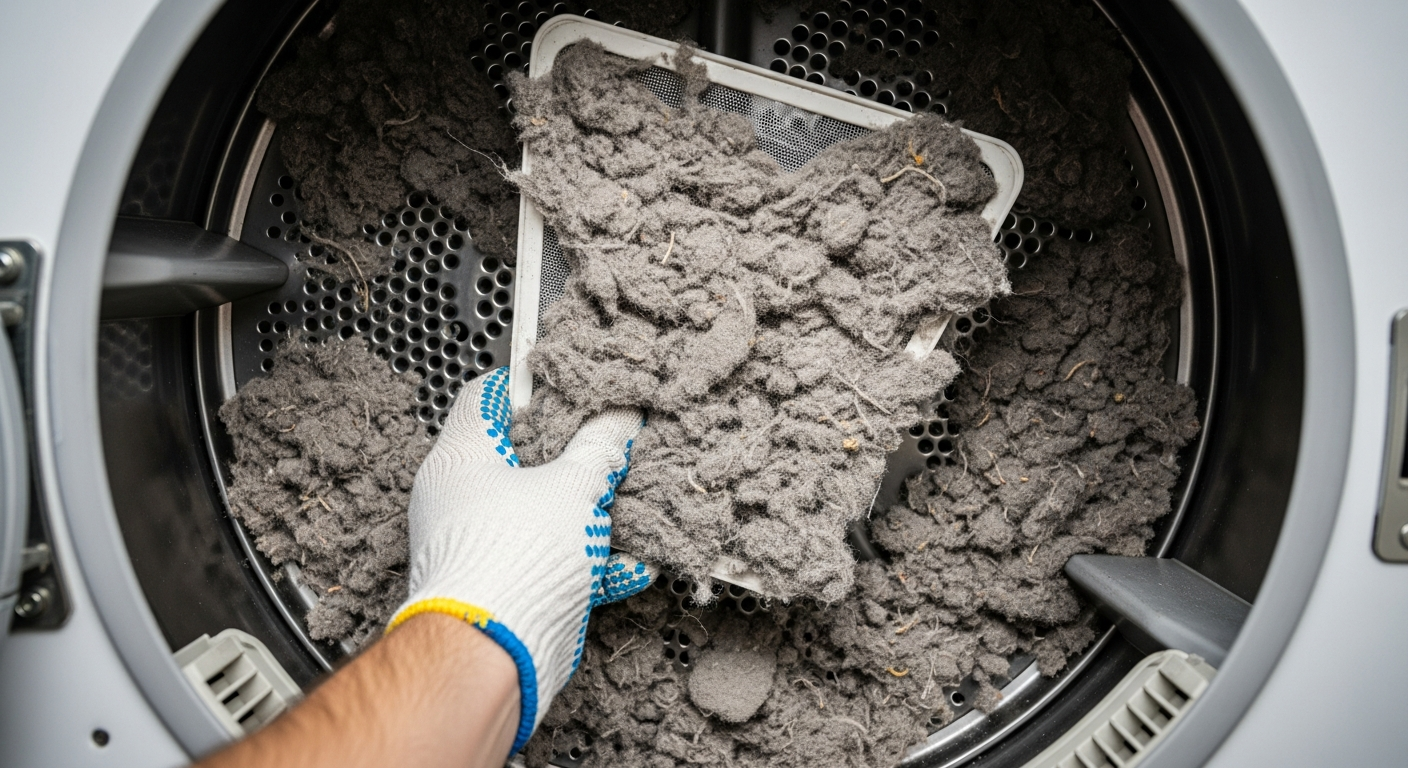
Clothes dryers are responsible for more home fires than most people realize, and many of these dangerous situations announce themselves through smell before they become visible problems. That burning lint smell isn’t just annoying – it’s your dryer telling you that lint buildup has reached dangerous levels and could ignite.
Lint accumulation in dryer vents and internal components creates multiple problems. Not only does it make your dryer work harder and less efficiently, but it also creates serious fire hazards. When lint gets too hot, it can spontaneously combust, turning your helpful appliance into a dangerous fire starter.
The Science Behind Appliance Odor Formation
Understanding why appliances develop odors can help you prevent problems before they start. Most appliance smells result from one of four main causes: bacterial or mold growth, overheating components, chemical reactions, or trapped organic matter decomposing.
Prevention Strategies That Actually Work
The best way to deal with dangerous appliance odors is to prevent them from developing in the first place. This doesn’t require expensive equipment or professional services – just consistent, simple maintenance habits that become second nature over time.
Frequently Asked Questions
What should I do if I smell gas near my stove or oven?
If you smell gas near any appliance, treat it as an emergency. Don’t use any electrical switches, light matches, or create sparks of any kind. Turn off the gas supply if you can safely reach the shutoff valve, open windows to ventilate the area, and leave the house if the smell is strong.
Wrapping Up
Your nose is one of your most valuable tools for maintaining appliance safety and preventing costly repairs. At Sardis Appliance Repair Chiliwack, we understand that appliance problems don’t wait for convenient times, and we’re here to help residents throughout the Chilliwack area keep their homes safe and their appliances running smoothly.