 (604) 305-2992
 Schedule An Appointment
The Appliance Power Surge Apocalypse: Silent Killers
Tired of watching your expensive appliances die mysterious deaths after every storm or power flicker? The truth is, power surges are silently wreaking havoc on your home’s electronics every single day – and most Chiliwack homeowners have no clue they’re sitting on a ticking time bomb worth thousands of dollars.
Picture this nightmare scenario: you’re relaxing at home in Chilliwack during one of our infamous Fraser Valley windstorms when suddenly the lights flicker. No big deal, right? Wrong. That innocent little flicker might have just signed the death warrant for your fridge, washing machine, or that fancy smart TV you splurged on last Black Friday.
Here’s what’s really wild – the average Chiliwack home experiences approximately 20 power surges every single day. Most of them are tiny, sneaky little voltage spikes that don’t announce themselves with dramatic light shows or blown fuses. Instead, they’re like electrical ninjas, slowly chipping away at your appliances’ electronic components until BAM – your dishwasher suddenly stops working, or your microwave starts making weird noises.
Key Outtakes:
- Chiliwack homes experience approximately 20 power surges daily, with 60-80% originating from inside your own home when appliances cycle on and off
- Power restoration after outages causes more appliance damage than the actual blackout, creating dangerous voltage spikes that can permanently fry electronics in seconds
- The average household contains $15,000 worth of surge-sensitive electronics and appliances, making comprehensive protection a critical investment
- Whole-house surge protectors cost between $300-500 but can prevent thousands in appliance replacement costs
- Fraser Valley’s unique climate factors can reduce appliance lifespans by 10-20% compared to drier inland locations due to humidity fluctuations and hard water mineral buildup
Understanding How Power Surges Actually Kill Your Electronics
Let’s get real about what’s actually happening when your electricity goes haywire. Power surges aren’t just those dramatic lightning-strike moments you see in movies. They’re way more common and way more sneaky than that. Every time your AC kicks on, your dryer starts up, or even when your neighbor’s electric car charges, tiny voltage fluctuations ripple through the electrical grid like shockwaves.
Most people think their appliances are tough cookies that can handle whatever gets thrown at them. But modern appliances are basically computers with motors attached. Your fridge has a digital brain controlling temperatures, your washing machine runs on sophisticated sensors, and don’t even get me started on smart home devices. All these electronic components are incredibly sensitive to voltage changes that older, simpler appliances would have shrugged off.
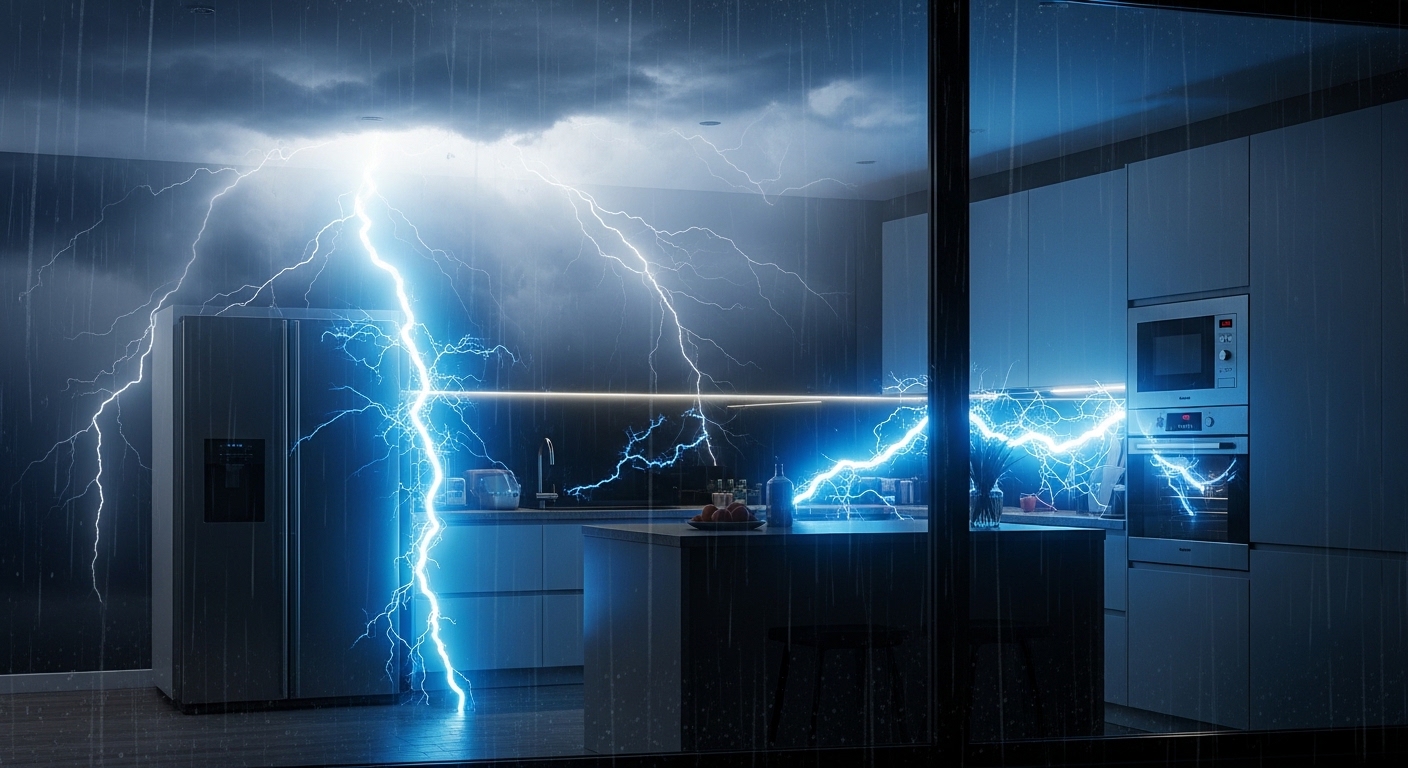
The thing is, surge damage doesn’t always announce itself dramatically. Sometimes it’s like death by a thousand paper cuts – each small surge weakens electronic components a little bit more, reducing efficiency and shortening lifespan until one day, your appliance just gives up the ghost. By then, most people assume it’s just old age, not realizing they could have prevented it with proper surge protection.
Here’s where it gets really interesting: between 60-80% of all surges actually originate inside your home. Yeah, you read that right. Your own appliances are creating mini electrical storms that can damage other equipment in your house. It’s like friendly fire, but for electronics. When your central air conditioner kicks on, it draws a massive amount of power almost instantaneously, creating voltage fluctuations that travel through your home’s wiring, potentially affecting everything else plugged into the same circuit.
The Hidden Financial Cost of Ignoring Surge Protection
Now that we’ve covered how surges actually work, let’s talk about the real financial reality – and frankly, it’s pretty scary. The direct costs of replacing surge-damaged appliances represent just the tip of the iceberg when it comes to the total economic impact on homeowners. When a major surge event hits during one of those nasty Fraser Valley thunderstorms, it doesn’t just take out one appliance.
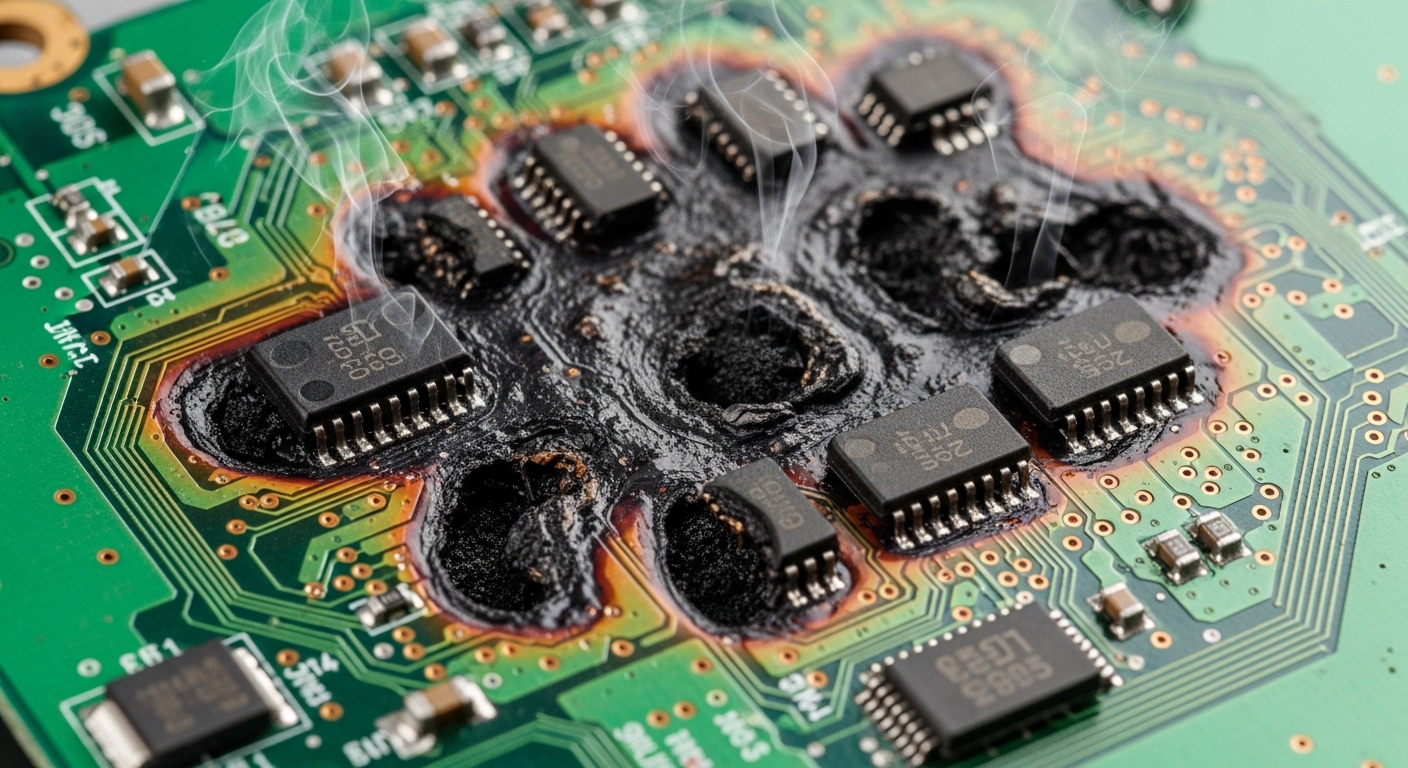
Let’s break down what you’re actually looking at cost-wise. It’s more like dominoes falling – your fridge might die, your washing machine’s control board gets fried, your microwave stops heating properly, and your smart home system goes completely haywire. Suddenly you’re looking at $3,000-5,000 in replacement costs, and that’s just for the obvious stuff.
But wait, there’s more (unfortunately). The hidden costs start piling up fast. Emergency appliance rentals because your fridge died and you need somewhere to keep food cold. Expedited delivery fees because you can’t wait two weeks for a new dishwasher. Hotel costs if your HVAC system gets fried during a heatwave or cold snap. Spoiled food, medications that need refrigeration, the works.
Then there are the long-term costs that nobody talks about. Appliances that survive surge damage but get weakened by it start consuming more electricity, breaking down more frequently, and performing poorly. Your energy bills creep up, repair calls become more frequent, and you end up replacing appliances years earlier than you should have. It’s like a slow financial bleed that many homeowners never connect to that “harmless” power flicker from months ago.
Here’s a sobering reality check: the average cost of comprehensive surge protection (around $300-500 for a whole-house system) is less than the cost of replacing just one major appliance. When you consider that most homes contain $15,000 worth of surge-sensitive equipment, spending a few hundred bucks on protection starts looking like the deal of the century.
Why Chilliwack Homes Face Unique Surge Risks
Building on the understanding of surge costs, it becomes crucial to recognize that Chilliwack homeowners face unique challenges that make surge protection even more critical than in other areas. The Fraser Valley’s geography creates a perfect storm of conditions that increase both the frequency and intensity of electrical surges. Residents in neighborhoods like Sardis, Promontory, and Garrison Crossing are particularly vulnerable due to their proximity to both mountainous terrain and rapidly expanding electrical infrastructure.
First off, let’s talk weather. The Fraser Valley sits in this unique geographical pocket surrounded by mountains, which creates some pretty wild weather patterns. When storm systems roll through, they often get channeled and intensified by the mountain ranges, leading to more frequent and severe thunderstorms than you’d see in flatter areas. Lightning strikes are a major external source of power surges, and Chilliwack gets more than its fair share of electrical storms, especially during spring and summer months.
But the weather is just one piece of the puzzle. Chilliwack’s rapid growth over the past decade has put serious strain on the electrical infrastructure. New subdivisions are popping up everywhere, commercial developments are expanding, and the electrical grid is working overtime to keep up with demand. When electrical systems are stretched to capacity like this, voltage stability becomes a real issue.
The humidity factor alone is a massive appliance stressor that most people completely overlook. Chilliwack sits in this unique geographical pocket between mountains and ocean that creates rapid humidity swings throughout the day and season. Your appliances are designed to operate within specific humidity ranges, but when levels fluctuate dramatically – which happens constantly here – they’re forced to work overtime to maintain optimal performance. This constant stress makes them more vulnerable to surge damage when it occurs.
What really gets me fired up is how many homeowners in areas like Rosedale and Eastern Hillsides don’t realize their homes are sitting on older electrical infrastructure that wasn’t designed for today’s electronic loads. These neighborhoods often have electrical panels and wiring from the 1980s and 1990s, trying to handle smart homes, electric vehicle chargers, and sophisticated appliances that draw power in ways the original systems never anticipated.
The Appliance Trifecta Crisis: When Everything Fails at Once
Building on our understanding of local risk factors, there’s a phenomenon that absolutely baffles most homeowners until they understand what’s really happening behind their walls. Picture waking up to discover that your refrigerator isn’t cooling, your dishwasher won’t start, and your range has gone completely dead – all on the same morning. Most people’s first thought is “What are the odds?” but experienced repair techs know this isn’t cosmic bad luck.
This “appliance trifecta crisis” happens because modern homes share electrical infrastructure in ways most homeowners never realize. Your kitchen appliances might each have their own dedicated circuits and separate breakers, but they often share common neutral wires, ground connections, or draw power from the same electrical panel sections. When a major surge event compromises these shared electrical pathways, the damage ripples through multiple circuits simultaneously, creating what looks like impossible coincidence but is actually predictable electrical failure.
The repair implications of understanding this pattern are huge for your wallet. Instead of calling three different appliance repair services and potentially paying three diagnostic fees, the smart move is calling an electrician first to diagnose your electrical system. In many cases, fixing a single electrical problem resolves multiple appliance issues, saving thousands of dollars compared to treating each appliance failure as a separate problem.
This coordinated failure pattern is becoming increasingly common as homes pack more electronic appliances into electrical systems that weren’t designed for such sophisticated loads. The age factor plays a crucial role in trifecta crisis susceptibility – appliances approaching their expected service lifetime become increasingly vulnerable to electrical disturbances that newer units would easily tolerate.
Fraser Valley Climate: The Secret Appliance Assassin
Now that we’ve covered the electrical dangers lurking in your walls, let’s talk about another appliance assassin that’s been quietly working against Chiliwack homeowners for decades. Our beautiful Fraser Valley location comes with hidden costs that appliance manufacturers never warn you about, and understanding these local factors can literally add years to your appliances’ lifespans while saving thousands in premature replacements.
The humidity swings here are absolutely brutal on appliance electronics. When morning fog rolls in from the coast and afternoon temperatures spike, your appliances experience rapid moisture changes that stress seals, gaskets, and electronic components. Your washing machine’s control board wasn’t designed to handle constant humidity fluctuations, and your dryer’s heating elements work overtime in damp conditions, leading to premature failure.
Then there’s our hard water situation that most people don’t even think about until their dishwasher starts leaving white spots on everything. The mineral content in Fraser Valley water is significantly higher than many other regions, and these minerals build up inside your appliances like arterial plaque. Your water heater, washing machine, and dishwasher all suffer from mineral buildup that reduces efficiency and shortens lifespan.
What really drives me crazy is how the combination of our climate factors creates a perfect storm for appliance stress. High humidity plus hard water plus temperature swings equals appliances that age faster and fail more frequently than they would in more stable climates. Research shows that appliances in our region can have lifespans reduced by 10-20% compared to drier, more stable climates.
The seasonal temperature swings we experience here also wreak havoc on appliance performance. Your refrigerator works harder during hot summers, your heating system cycles more frequently during our damp winters, and the constant expansion and contraction of components leads to premature wear. When you add electrical surges on top of this existing climate stress, it’s like a one-two punch that knocks out appliances way before their expected lifespan.
Frequently Asked Questions
How do I know if my appliances have been damaged by power surges?
Look for subtle warning signs that most homeowners miss. Your appliances might still work but perform poorly – like a microwave that takes longer to heat food, a washing machine that doesn’t spin at full speed, or a refrigerator that runs constantly but struggles to maintain temperature. These are often early indicators of surge damage to electronic components.
Other red flags include digital displays that flicker or show error codes randomly, appliances that trip breakers more frequently than before, or unusual sounds during operation. If multiple appliances start acting up around the same time, especially after a storm or power outage, you’re likely dealing with surge-related damage.
Are whole-house surge protectors really worth the investment for Chilliwack homes?
Absolutely, especially given our unique local risk factors. A quality whole-house surge protector costs between $300-500 installed, but it protects your entire electrical system and all connected appliances. When you consider that the average home contains $15,000 worth of surge-sensitive equipment, and our area experiences frequent weather-related electrical disturbances, it’s actually one of the best investments you can make.
The key is having it professionally installed by a licensed electrician who understands local electrical codes and can ensure proper grounding. Don’t try to install these yourself – improper installation can actually make surge damage worse and void your insurance coverage.
Why do my appliances seem to break down more often after power outages?
The real damage often happens when power is restored, not during the outage itself. When BC Hydro crews restore electricity to entire neighborhoods simultaneously, it creates massive voltage spikes called “restoration surges.” These can overwhelm your appliances’ electronic components even if they were fine during the actual blackout.
This is why smart homeowners unplug major appliances during outages and wait a few minutes after power returns before plugging them back in. It’s a simple step that can prevent thousands of dollars in surge damage.
Wrapping Up
Power surges are the silent killers lurking in every Chiliwack home, threatening thousands of dollars worth of appliances every single day. From the 20 daily micro-surges created by your own appliances to the devastating restoration surges that follow power outages, your electronics are under constant attack. The combination of Fraser Valley weather, aging electrical infrastructure, and rapidly growing neighborhoods creates a perfect storm for appliance destruction.
Don’t wait for the next electrical surge to destroy your expensive appliances. At Sardis Appliance Repair Chiliwack, we’ve seen too many homeowners learn about surge protection the hard way – after their appliances are already damaged. Our experienced technicians can assess your surge protection needs, help with post-storm appliance inspections, and provide expert repair services when surge damage occurs. Contact us today to protect your appliances before it’s too late.