 (604) 305-2992
 Schedule An Appointment
The Appliance Pet Damage Crisis: How Your Furry Friends Are Secretly Sabotaging Your Kitchen and Laundry Machines (And the Pet-Proofing Protection Plan Every Chiliwack Pet Owner Needs)
Wondering why your dryer takes three cycles to dry a single load while your washing machine makes mysterious gurgling sounds? Your beloved fur baby might be the culprit behind a silent appliance sabotage campaign that’s costing Chiliwack pet owners thousands in premature repairs and creating genuine fire hazards throughout Fraser Valley homes.Picture this: you’re folding what should have been a perfectly clean load of laundry, only to discover it’s still covered in dog hair despite going through a full wash cycle. Meanwhile, your dryer is working overtime, taking twice as long to dry clothes while making concerning rattling noises. Your stainless steel refrigerator looks like it survived a bear attack, and there’s a persistent wet dog smell emanating from your washing machine even when it’s empty. Sound familiar? You’re not alone in this fuzzy nightmare. 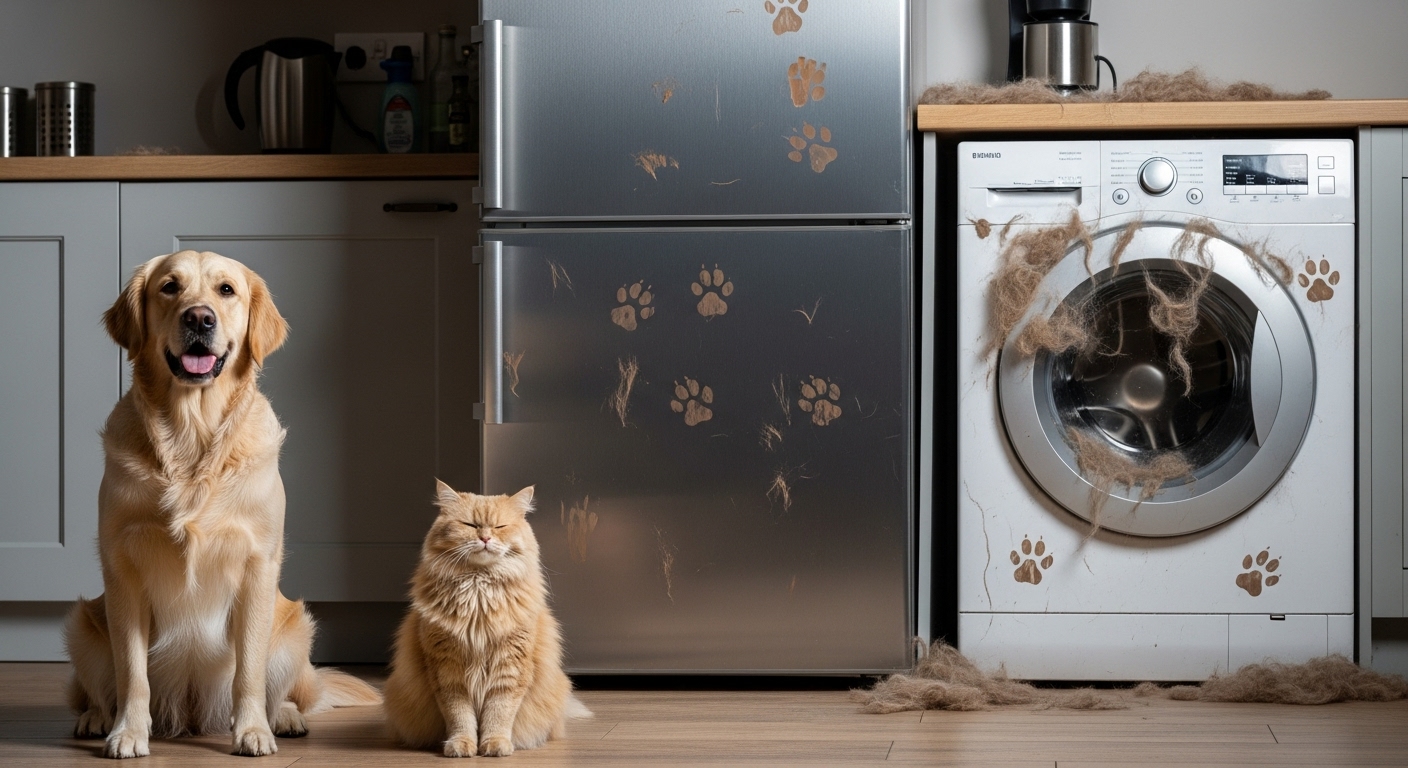 What most pet parents don’t realize is that Fido and Fluffy are waging a secret war against your most expensive household investments. Between the 2.8 million pet-owning households in British Columbia alone, we’re talking about a massive underground crisis that’s flying completely under the radar. Those adorable paws and that gorgeous coat are actually sophisticated destruction machines targeting your appliances with military precision. From clogged dryer vents creating legitimate fire hazards to washing machine pumps literally choking on fur tumbleweeds, your four-legged family members are accidentally sabotaging the very machines that keep your household running smoothly.Here’s the plot twist that’ll make you want to hug and simultaneously side-eye your pet: this isn’t just about inconvenience or aesthetics. We’re talking about serious safety hazards, insurance nightmares, and repair bills that can easily hit four figures when preventable pet damage escalates into catastrophic appliance failure. The good news? Once you understand how this furry infiltration operation works, you can fight back with strategies that’ll save your sanity, protect your wallet, and keep your beloved pets safe from the very appliances they’re unknowingly destroying.
Key Outtakes:
- Pet hair accumulation in dryer vents causes nearly 3,000 residential fires annually, with Chiliwack’s indoor winter months creating particularly dangerous conditions
- Washing machine pump filters clogged with pet hair can cause complete appliance failure, requiring costly professional repair or replacement
- Preventative pet-proofing measures cost significantly less than appliance repairs, with most solutions under $100 compared to repair bills exceeding $500
- Professional appliance services in Chiliwack report increasing pet-damage cases, particularly during winter months when pets spend more time indoors
- Simple maintenance routines and strategic pet management can extend appliance lifespan by years while maintaining household safety
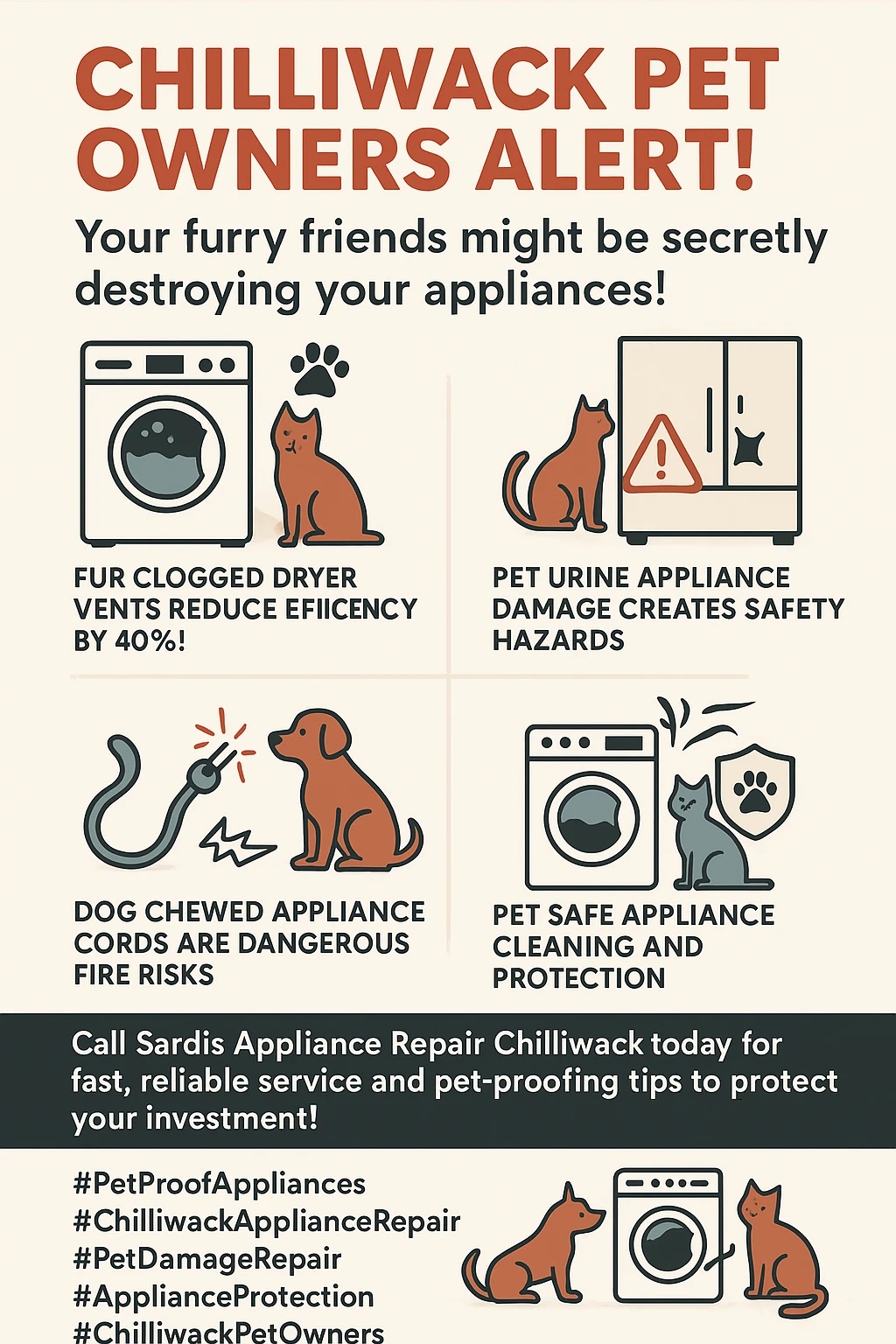
The Silent Sabotage: Understanding How Pets Destroy Appliances Without You Knowing
Let’s get real about what’s happening behind the scenes in your laundry room and kitchen. Your pets aren’t intentionally plotting against your appliances, but they might as well be professional demolition experts based on the damage they can cause. The problem operates on multiple levels that most pet owners never connect to appliance problems until it’s too late and they’re staring at a hefty repair estimate.Pet hair doesn’t just disappear during wash cycles – it transforms into something far more sinister. When water mixes with pet fur, you get these gnarly clumps that stick to everything like nature’s own super glue. According to appliance testing experts, this hair-water combination creates sticky masses that cling to drum walls, infiltrate pump systems, and gradually strangle your washing machine from the inside out. What starts as innocent shedding becomes a slow-motion appliance assassination that can take months or years to fully manifest as obvious problems.The really sneaky part? This damage accumulates so gradually that most people assume their appliance is just “getting old” when performance starts declining. You probably won’t connect the dots between your Golden Retriever’s epic shedding season and your dryer suddenly needing three cycles to dry a load of towels. By the time you realize there’s a connection, you’re often looking at expensive repairs or complete appliance replacement rather than simple preventative maintenance.Here’s where it gets legitimately scary: pet hair in dryer vents isn’t just an efficiency problem – it’s a fire hazard that could literally burn down your house. The combination of lint, pet hair, and heat creates perfect conditions for ignition, and professional vent cleaning services report finding shocking amounts of combustible pet hair in residential dryer systems. We’re talking garbage bags full of accumulated fur that’s been building up for months or years, creating a tinderbox connected directly to your home’s heating element. 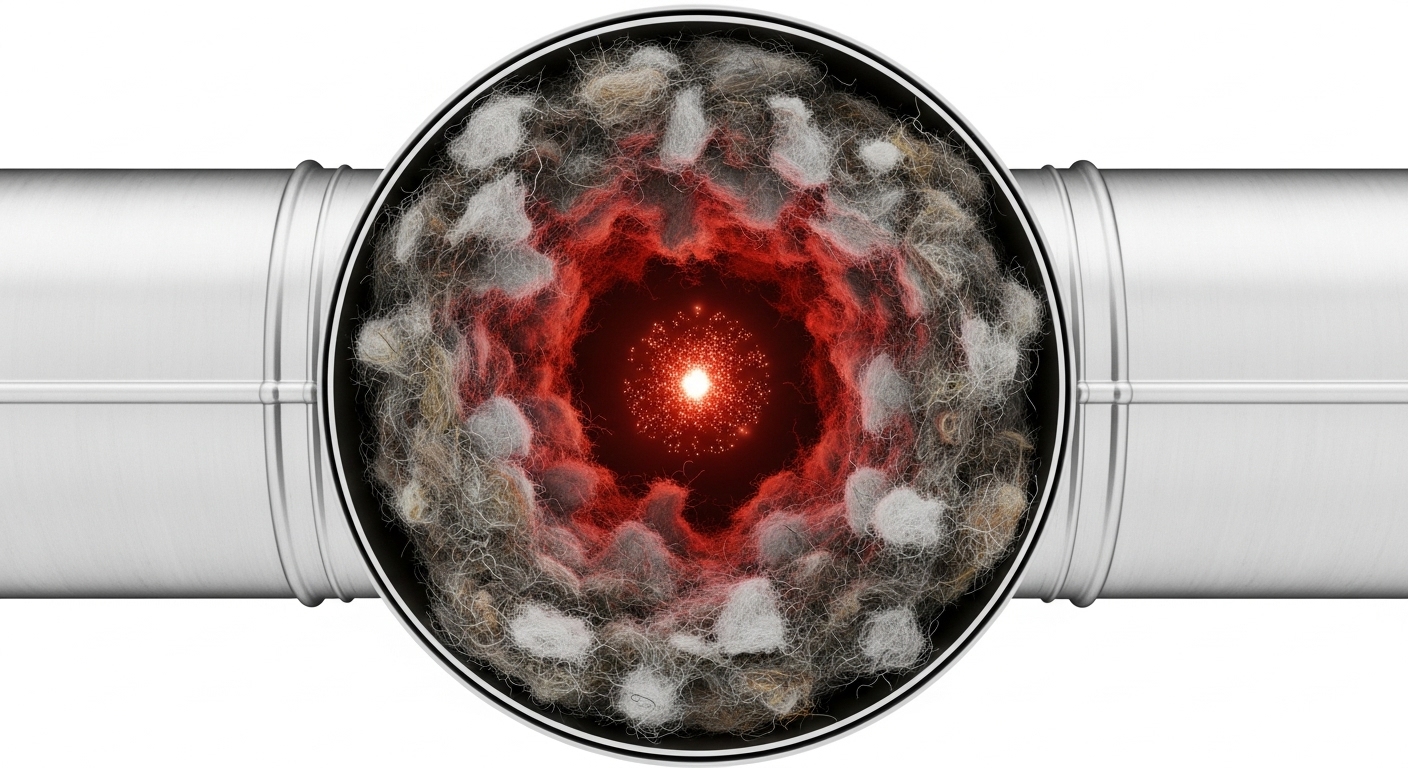 The financial impact extends beyond immediate repair costs. When appliances work harder due to pet-related clogs and accumulations, they consume significantly more energy while delivering worse performance. Your electricity bills creep up gradually as your washing machine struggles against hair-clogged pumps and your dryer runs longer cycles to compensate for restricted airflow. It’s like paying extra money for worse service, courtesy of your beloved pet’s natural shedding process.
Laundry Room Battlefield: How Pet Hair Wages War on Washers and Dryers
The laundry room represents ground zero in the pet damage crisis because it’s where fur, water, heat, and mechanical systems collide in spectacular fashion. Understanding this battlefield helps explain why even small amounts of pet hair can create disproportionately large problems that catch homeowners completely off guard.Your washing machine faces assault from multiple angles every time you wash anything that’s been in contact with your pet. Dog beds, blankets, your own clothing – they all carry invisible cargo in the form of loose pet hair that seems harmless until it meets water and detergent. Major appliance manufacturers now provide specific guidance for dealing with pet hair removal from washers, indicating just how widespread this problem has become. The hair doesn’t just rinse away cleanly like you might expect; instead, it forms these stubborn clumps that stick to drum walls and gradually work their way into pump systems where they can cause expensive blockages.The pump filter becomes a critical failure point in pet-owning households. This component, designed to catch small objects like coins or buttons, becomes overwhelmed when faced with the constant accumulation of pet hair mixed with lint and detergent residue. When the filter clogs, your washing machine can’t drain properly, leading to standing water, error codes, and eventually complete system failure if not addressed promptly. What makes this particularly frustrating is that many homeowners don’t even know their washing machine has a pump filter, let alone how to clean it regularly. 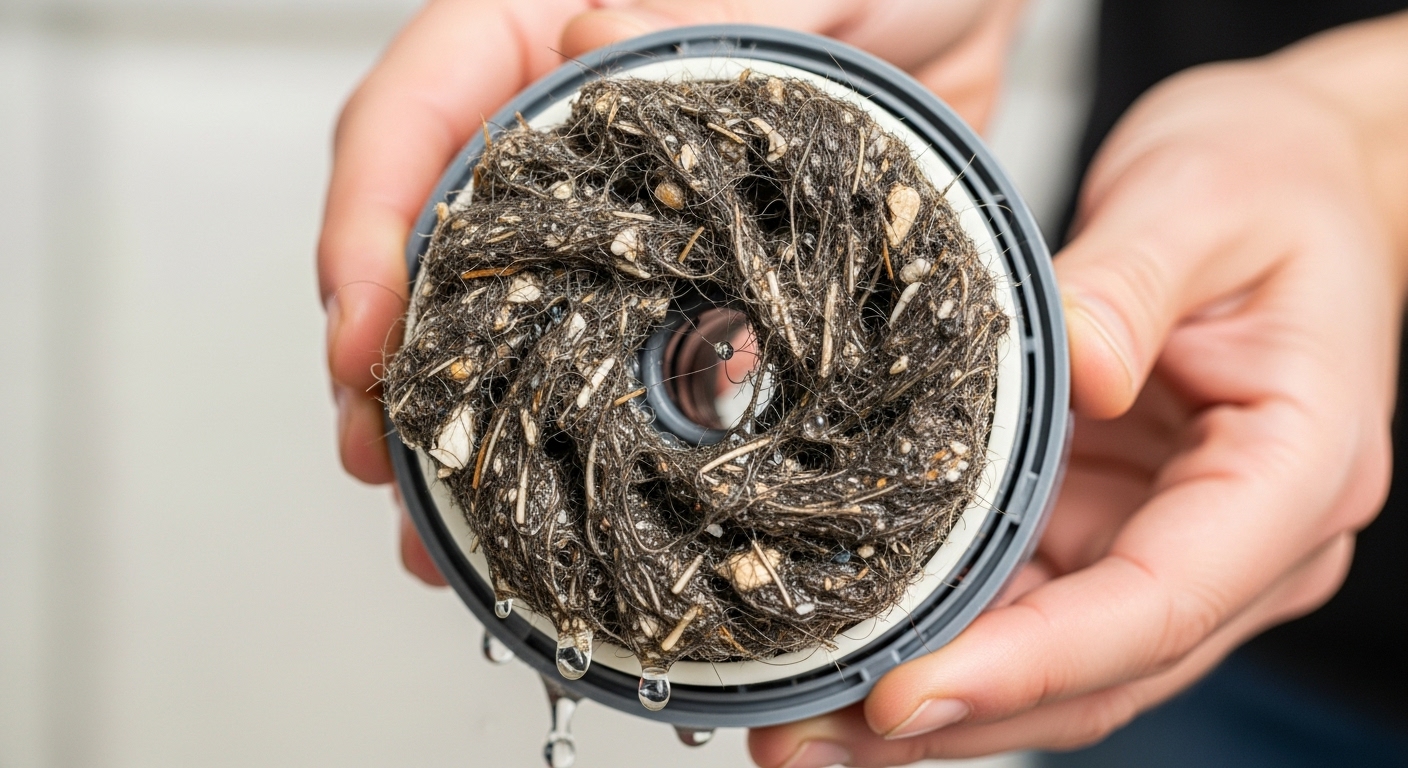 Front-loading washers face additional challenges because their rubber door gaskets create perfect traps for pet hair accumulation. Hair gets caught in the folds of the gasket and begins collecting moisture, creating conditions for mold and mildew growth alongside the mechanical problems. This combination of smell and functionality issues often leads homeowners to assume their machine is broken when really it just needs thorough cleaning and hair removal.The dryer situation escalates from inconvenient to genuinely dangerous territory. Pet hair combines with regular lint to create dense mats that restrict airflow through the machine and vent system. When airflow becomes restricted, heat builds up around the heating element, creating conditions that can ignite the accumulated lint and hair. Professional dryer vent services emphasize that homes with pets require much more frequent vent cleaning than pet-free households, sometimes twice yearly instead of the standard annual recommendation.Warning signs of dangerous dryer vent conditions include clothes taking much longer to dry, especially items that tend to collect pet hair like fleece or wool items. You might notice the exterior of your dryer getting unusually hot during operation, or find lint and pet hair accumulating around the outside vent opening. Some homeowners report finding actual tumbleweeds of pet hair in their dryer drums after running loads, which indicates serious accumulation throughout the entire system.Prevention strategies for the laundry room start with intercepting pet hair before it reaches your machines. Running items through a 10-minute air