 (604) 305-2992
 Schedule An Appointment
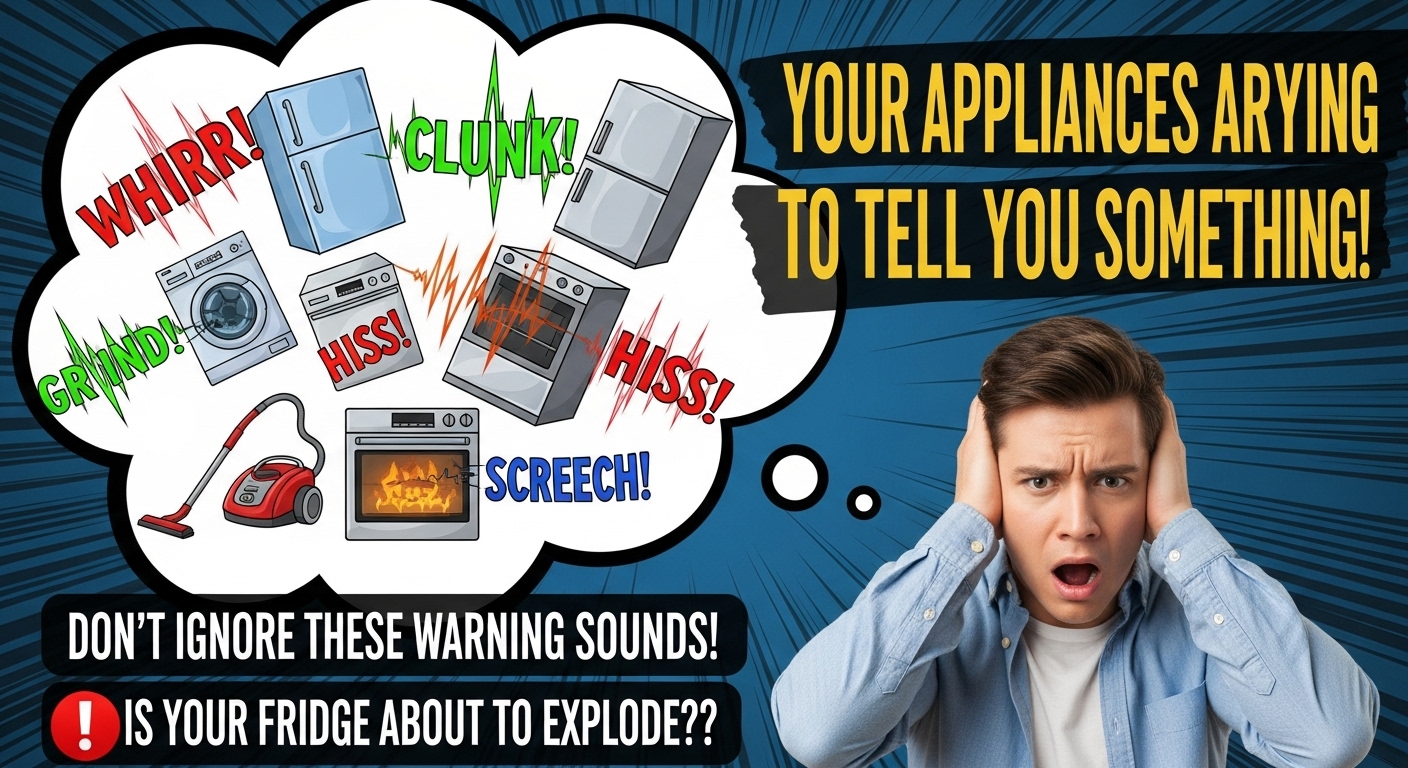
Hearing strange sounds coming from your kitchen and laundry room that make you wonder if your appliances are plotting their escape? Don’t panic – we’re about to turn you into an appliance noise detective who can decode those mysterious sounds before they turn into wallet-draining repair bills in Chilliwack!
Picture this: you’re enjoying a quiet Sunday morning when suddenly your washing machine starts making sounds like it’s auditioning for a death metal band. Or maybe your refrigerator decides to serenade you with grinding noises that would make a construction site jealous. These aren’t just random appliance tantrums – they’re your home’s early warning system screaming “help me before I become expensive!”
Understanding what your appliances are trying to tell you through their various sound effects isn’t just about maintaining your sanity (though let’s be honest, that 2 AM refrigerator symphony isn’t helping anyone sleep). It’s about catching problems early, before they evolve from minor hiccups into those jaw-dropping repair bills that make homeownership feel like a cruel joke. In Chilliwack’s unique coastal climate, where humidity and seasonal changes put extra stress on our hardworking appliances, learning this acoustic detective work becomes even more crucial for protecting our investments.
Key Outtakes:
- Strange appliance noises are your first warning system before costly breakdowns occur, potentially saving you hundreds in emergency repair calls
- Different sounds indicate specific mechanical issues that you can often diagnose at home using simple listening techniques
- Chilliwack’s coastal humidity and seasonal changes can amplify certain appliance noise problems, making early detection essential
- Many noise-related issues can be prevented with basic maintenance, extending appliance lifespan by years
- Knowing when sounds indicate DIY fixes versus professional help needed can save both time and money
The Kitchen Symphony: Decoding Your Appliances’ Secret Language
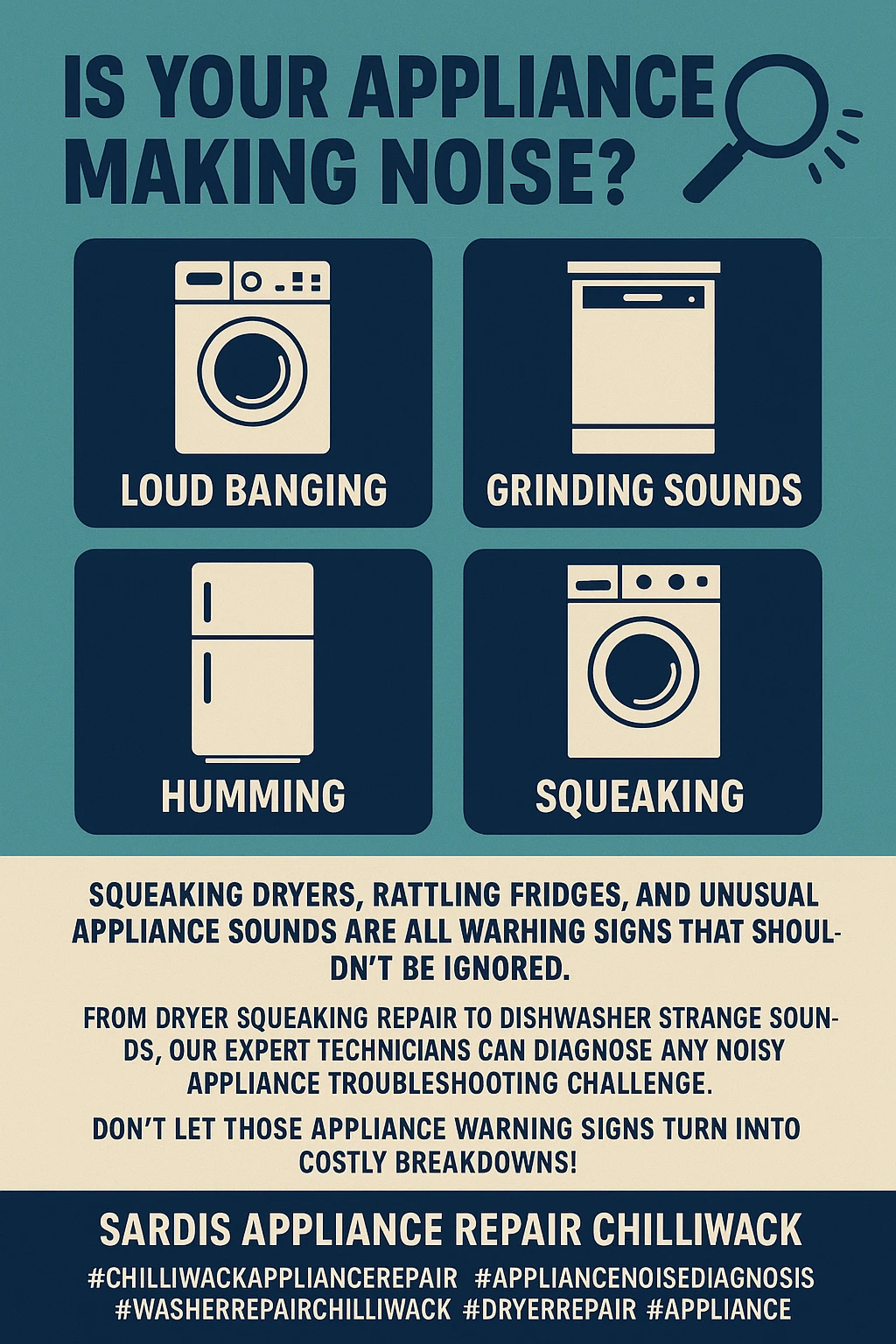
Your kitchen appliances are basically having conversations with you all day long – you just need to learn their language. Think of it like having roommates who communicate exclusively through sound effects, and some of those sounds are perfectly normal chatter while others are full-blown panic attacks. The key is knowing which is which before your appliances stage a complete revolt.
Let’s start with your refrigerator, the hardest-working member of your appliance family. A healthy fridge produces a soft, steady hum when the compressor kicks in, maybe with the occasional gentle click as the defrost timer cycles through its routine. You might also hear some light gurgling as refrigerant flows through the system – totally normal background noise that means everything’s working as designed.
But when that peaceful hum transforms into buzzing that sounds like an angry bee convention, you’ve got trouble brewing. Loud buzzing often signals compressor issues or problems with the condenser fan motor, both of which can lead to cooling failures and spoiled groceries. If you’re hearing clicking sounds that seem more frequent than usual, your defrost timer might be struggling, or worse, your start relay could be failing. The really concerning sound is when your fridge starts making grinding noises – that’s usually your evaporator fan motor crying for help, often because ice has built up around the fan blades.

Refrigerator Red Flags vs Normal Operations
Here’s a pro tip that could save you a service call: if your fridge starts making louder-than-normal humming sounds, check if it’s been recently loaded with groceries or if room temperature has been fluctuating. Sometimes your compressor is just working overtime and the sound will normalize once things settle. However, if the loud humming persists for more than 24 hours, it’s time to investigate further.
Your dishwasher has its own vocabulary of sounds, and learning to interpret them can prevent some seriously gross situations down the line. Normal dishwasher operation includes swishing water sounds, the gentle whir of the wash pump motor, and maybe some light rattling from dishes settling during the cycle. But grinding noises? That’s your dishwasher’s way of screaming that something is seriously wrong with the motor bearings in either the drain pump or circulation pump. This kind of mechanical distress usually means expensive repairs are heading your way if you don’t address it quickly.
Laundry Room Detective Work: When Your Washer and Dryer Start Talking Back
Moving into the laundry room, we enter a whole new realm of appliance communication where the sounds can range from contentment to absolute mechanical drama. Your washing machine and dryer are the theatrical performers of your appliance family – they’re not shy about expressing their feelings, and those feelings can tell you exactly what’s happening inside those spinning chambers.
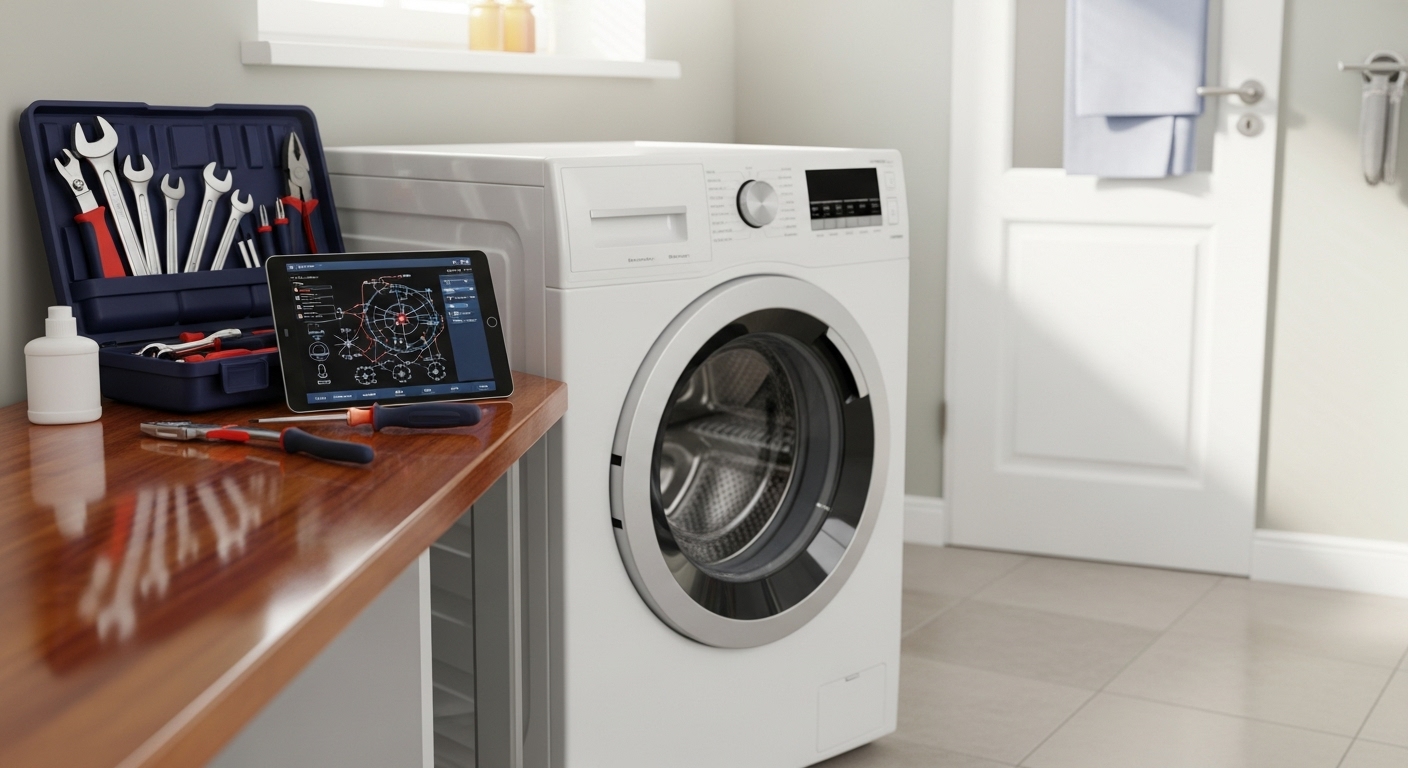
Washing machines are particularly chatty during their various cycles, and understanding their language can save you from those emergency repair calls that always seem to happen at the worst possible times. During the fill and wash phases, you should hear gentle sloshing and swishing sounds as water circulates and clothes tumble. The motor produces a steady hum or whir that might get slightly louder during the spin cycle – this is completely normal as your machine works harder to extract water from your clothes.
But when your washing machine starts banging like it’s trying to escape from the laundry room, that’s a different story entirely. Banging or loud thumping usually means you’ve got an unbalanced load causing the drum to hit the cabinet, but it could also indicate broken drive belts or worn suspension components. If redistributing the clothes doesn’t solve the banging, you’re looking at potential mechanical issues that need attention before they turn into major problems.
Washing Machine Warning Signs
Squealing or screeching sounds from your washer are particularly concerning because they often point to worn or loose drive belts. These belts are crucial for your machine’s operation, and when they start failing, they create that fingernails-on-chalkboard sound that makes you want to run from the room. Don’t ignore this sound – a failing belt can lead to much more expensive repairs if it completely breaks and damages other components. Local Chilliwack residents in neighborhoods like Sardis and Promontory should pay extra attention to these sounds, as our coastal humidity can accelerate belt wear.
Your dryer has its own set of sound signatures that can tell you exactly what’s going on inside that hot, spinning chamber. A properly functioning dryer produces a gentle whoosh of air movement, maybe some soft tumbling sounds from clothes moving around, and the steady hum of the motor and blower system. Temporary squeaking when you first start a cycle might just be the drum adjusting, especially if the machine has been sitting idle for a while.
However, persistent squeaking or squealing from your dryer usually means worn drum rollers or a failing idler pulley. These components help your drum rotate smoothly, and when they wear out, they create friction that produces those annoying sounds. Left unaddressed, this can lead to complete drum failure and potentially damage your clothes. Professional technicians often see these issues escalate quickly when homeowners ignore the early warning sounds.
The Chilliwack Climate Factor: How Our Local Environment Amplifies Appliance Issues
Living in Chilliwack means dealing with some unique environmental factors that can seriously impact your appliances’ sound production and overall health. The Fraser Valley’s coastal humidity and seasonal temperature swings create conditions that can turn minor appliance quirks into major noise issues faster than you’d expect, making local awareness crucial for every homeowner.
Humidity is particularly problematic because it promotes metal expansion and corrosion, both of which can create new friction points in your appliances. When metal components expand due to moisture in the air, they can start rubbing against other parts that they normally clear comfortably. This creates grinding and squeaking sounds that weren’t there before, and it can happen gradually enough that you might not notice until the problem becomes severe.
The moisture also promotes rust and corrosion, especially on older appliances or those with existing small chips in protective coatings. Corroded components don’t move as smoothly as they should, creating additional noise and reducing efficiency. This is why appliances in coastal areas like Chilliwack often develop noise issues sooner than their counterparts in drier climates, particularly in moisture-prone areas like Vedder Crossing where homes are closer to water sources.
Seasonal Sound Changes
Our seasonal temperature fluctuations add another layer of complexity to appliance noise issues that every Chilliwack homeowner should understand. During winter months, when your heating system is working overtime and indoor humidity levels can fluctuate wildly, your appliances face additional stress. Cold temperatures can make lubricants thicker, causing motors to work harder and generate more noise than usual.
Summer brings its own challenges with higher humidity levels that can affect refrigerator compressor operation. When your fridge has to work harder to maintain proper temperatures due to increased ambient humidity, the compressor runs longer and potentially louder than usual. This is particularly noticeable in appliances that are already showing signs of wear, making early detection even more important for preventing costly breakdowns.
One often overlooked factor in our area is hard water, which affects many Chilliwack neighborhoods and can significantly impact appliance noise levels. Mineral buildup from hard water creates scaling on heating elements and clogs in water pumps, both of which generate additional noise. Dishwashers and washing machines are particularly susceptible to this issue, developing grinding and rattling sounds as mineral deposits interfere with normal operation.
DIY Noise Diagnosis: When You Can Fix It Yourself vs Calling the Pros
Now that you understand what your appliances are trying to tell you through their various sound effects, it’s time to learn when you can channel your inner handyperson and when you need to wave the white flag and call for professional backup. This decision-making process can save you both money and time while preventing minor issues from becoming major disasters.
Many appliance noise issues have simple DIY solutions that don’t require any special tools or technical expertise. For instance, that banging washing machine might just need you to redistribute an unbalanced load or check that the machine is sitting level on all four feet. Refrigerator buzzing could be resolved by cleaning dusty condenser coils or ensuring proper clearance around the unit for air circulation.
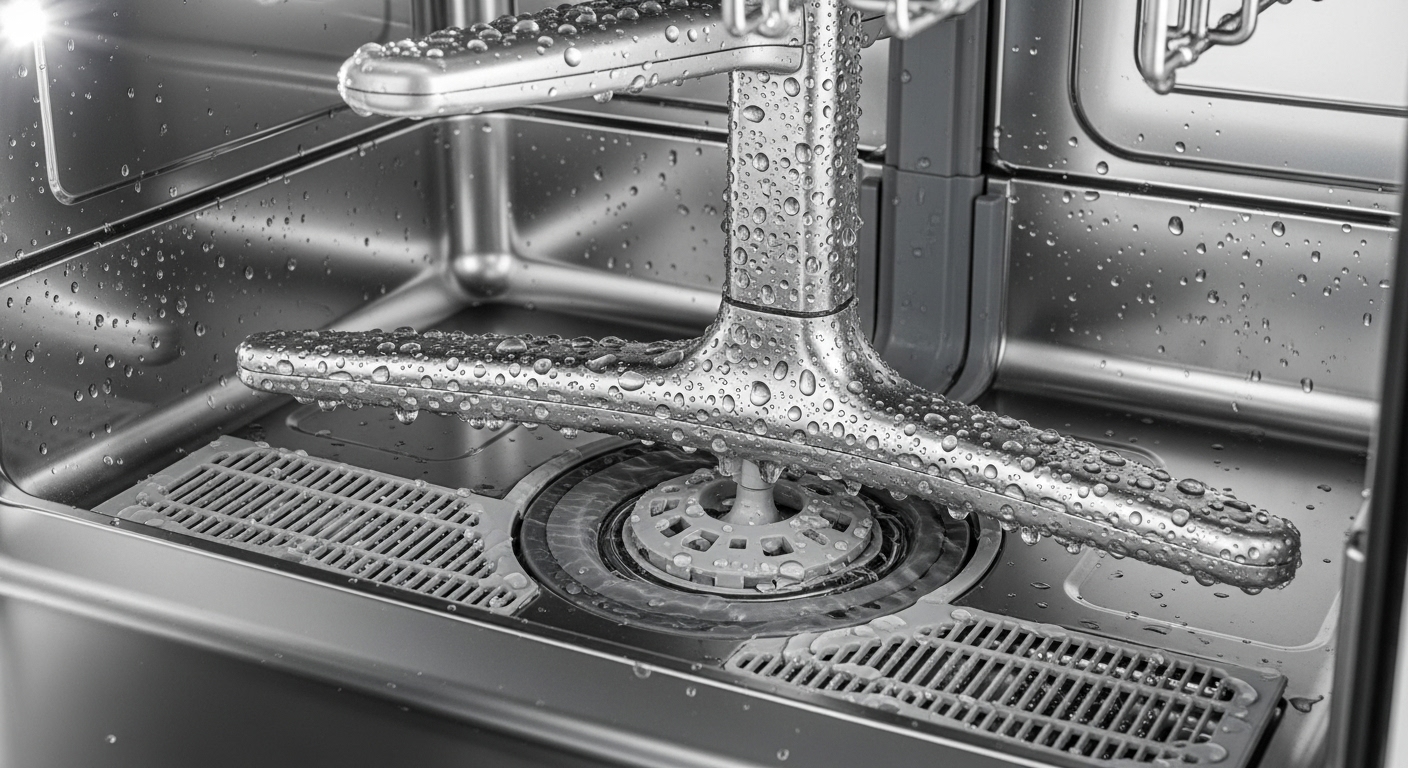
Dishwasher grinding might be caused by something as simple as a fork that’s fallen through the silverware basket and is hitting the spray arm. Before panicking about expensive repairs, try running an empty cycle after checking for obvious obstructions. Sometimes the solution is literally right in front of you, hiding behind what sounds like a major mechanical failure.
Red Line Warning Signs
However, there are definite red lines where DIY troubleshooting should stop and professional help should begin. Any electrical issues, gas-related problems, or sounds that indicate internal mechanical failure require trained technicians with proper tools and safety equipment. If you smell gas, hear electrical arcing, or notice sparking, shut off the appliance immediately and call for professional help.
Persistent grinding noises that don’t resolve with basic cleaning, loud banging that continues after load redistribution, or any sounds accompanied by burning smells are all indicators that internal components may be failing. These situations require diagnostic equipment and replacement parts that are beyond typical homeowner capabilities. Professional repair services understand the specific challenges that Chilliwack’s climate presents and can address both the immediate problem and underlying environmental factors.
The key to smart appliance noise detective work is knowing your limits while staying proactive about maintenance. Regular cleaning, proper loading techniques, and attention to environmental factors can prevent many noise-related issues from developing in the first place. When problems do arise, quick action on simple fixes and prompt professional intervention for complex issues will keep your appliances running smoothly for years to come.
Frequently Asked Questions
What does a broken appliance typically sound like?
Broken appliances usually produce sounds that are distinctly different from their normal operation patterns. Common failure sounds include loud grinding, persistent squealing, irregular banging, or electrical buzzing that wasn’t there before. Any sudden change in your appliance’s typical sound pattern should be investigated promptly.
The key is recognizing when familiar sounds become louder, more frequent, or are accompanied by other warning signs like burning smells or performance issues. Trust your ears – if something sounds wrong, it probably is.
Why is my refrigerator making clicking noises?
Clicking noises from refrigerators can range from completely normal to concerning depending on frequency and timing. Occasional clicking from the defrost timer or compressor relay is normal operation. However, rapid or continuous clicking often indicates a failing start relay or problems with the defrost system.
If clicking becomes frequent or is accompanied by the refrigerator not cooling properly, it’s time to investigate further. This issue should never be ignored as it can lead to complete cooling failure and food spoilage.
How do I know if my washing machine noise requires professional repair?
Washing machine noises that require professional attention include persistent loud banging that doesn’t resolve with load redistribution, grinding sounds during any cycle phase, or squealing that continues after the machine has warmed up. Any noise accompanied by the machine not completing cycles or leaving clothes improperly cleaned indicates internal mechanical issues.
Simple troubleshooting like checking for unbalanced loads or ensuring the machine is level should be tried first. If problems persist after basic adjustments, professional diagnosis can prevent minor issues from becoming major expensive repairs.
Wrapping Up
Understanding the language of appliance noises transforms you from a helpless homeowner into an informed detective who can catch problems early and save serious money on repair bills. By learning to distinguish between normal operational sounds and warning signs of trouble, you’re taking control of your home’s maintenance and protecting your investment in these essential household helpers.
Remember, many appliance issues start small and grow into expensive problems when ignored, but early detection through sound recognition can extend your appliances’ lifespan significantly. When those warning sounds do indicate the need for professional help, don’t hesitate to contact the experts at Sardis Appliance Repair Chiliwack, where our experienced technicians understand both the common appliance issues and the unique challenges that our coastal climate presents to Chilliwack homeowners.