 (604) 305-2992
 Schedule An Appointment
Tired of watching your energy bills skyrocket month after month, wondering where all that money is disappearing to? Get ready to discover how your trusty old appliances might be the sneaky culprits behind those jaw-dropping utility costs that are literally bleeding your wallet dry! Picture this: You’re scrolling through your latest hydro bill, and your jaw drops so hard it could crack your kitchen tiles. That number at the bottom? It’s double what you paid just a few years ago. Before you start blaming BC Hydro for everything, take a long, hard look at that ancient refrigerator humming away in your kitchen corner. That loyal appliance that’s been faithfully keeping your leftovers cold since the early 2000s might actually be working overtime to drain your bank account. Here in Chilliwack, where we’re all trying to squeeze every penny out of our household budgets, understanding the real cost of hanging onto outdated appliances isn’t just smart—it’s absolutely essential for your financial survival.
Key Outtakes:
- Old appliances can double your energy costs compared to modern, energy-efficient models
- Refrigerators are the biggest energy hogs in most Canadian homes, using more power than any other appliance
- Energy Star certified appliances can save 10-50% on energy consumption compared to standard models
- Simple maintenance and proper usage can significantly reduce energy consumption without major investments
- Fraser Valley residents can access rebate programs to offset the cost of upgrading to efficient appliances
The Hidden Energy Vampires in Your Home
 Let’s get real about what’s happening behind those closed cabinet doors and inside those humming metal boxes. Your home is probably harboring some serious energy vampires that are sucking your budget dry without you even realizing it. The average Canadian household drops over $2,100 annually on home energy, and a massive chunk of that goes straight to powering appliances that should have been retired years ago. Think about it this way: that refrigerator from 2005 was built during a completely different era of energy standards. Back then, manufacturers weren’t nearly as focused on energy efficiency as they are today. These older machines are like gas-guzzling SUVs in a world that’s moved toward hybrid efficiency. Every single day they’re plugged in, they’re working way harder than they need to, consuming way more electricity than modern alternatives, and padding your utility company’s profits.
Why Refrigerators Are Your Biggest Energy Bill Bullies
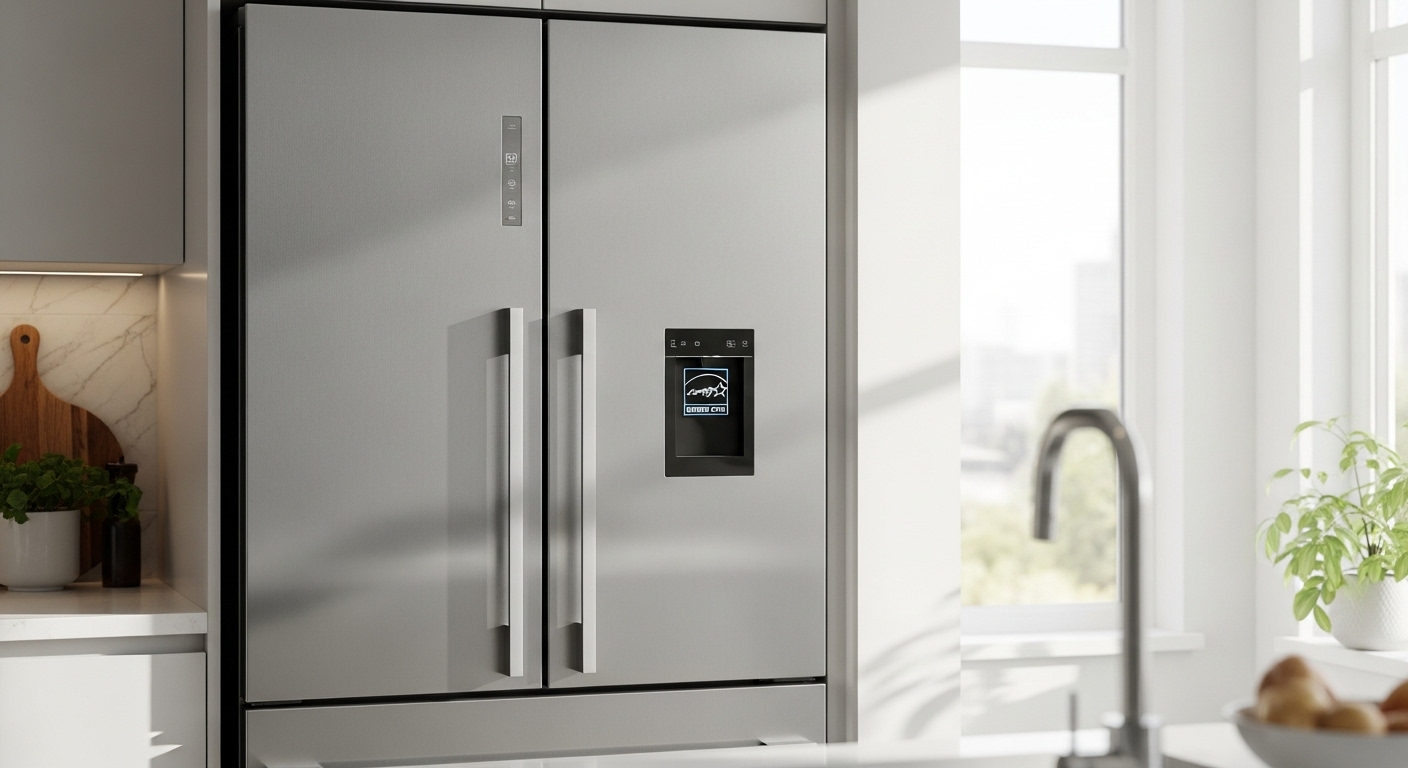 Here’s where things get seriously eye-opening, and honestly, a little scary for your wallet. The refrigerator sitting in your kitchen right now is officially the household appliance that uses the most energy in your entire home. We’re talking about a machine that runs 24/7, 365 days a year, never taking a break, never going on vacation. When you multiply that constant operation by outdated, inefficient technology, you’re looking at a perfect storm of energy waste. Modern refrigerators are engineered with inverter technology that adjusts the compressor speed based on actual cooling needs, which is like having a smart throttle that only uses the gas you actually need. Compare that to your old faithful fridge that runs at full blast whether it needs to or not, kind of like keeping your foot pressed to the floor on the highway regardless of traffic conditions. The temperature sweet spot for optimal energy use sits between 2°C and 3°C, but older models often struggle to maintain consistent temperatures, forcing them to work even harder. What makes this situation even more frustrating is that refrigerator technology has absolutely exploded in terms of efficiency over the past decade. We’re talking about improvements that can slash your cooling costs by 30-40% compared to units built just ten years ago. The insulation is better, the compressors are smarter, and the overall design prioritizes energy conservation in ways that simply didn’t exist when your current fridge was manufactured.
The Laundry Room Reality Check
Moving beyond the kitchen, your laundry room is probably hosting the second-biggest energy party in your house, and your dryer is the main guest consuming way more power than necessary. Here’s something that might blow your mind: 90% of the energy used in washing laundry goes toward heating the water, not actually running the machine itself. This means every time you’re washing clothes in hot water with an older washing machine, you’re essentially burning money to heat water that doesn’t even need to be that hot to get your clothes clean. The dryer situation is even more dramatic when you consider energy consumption patterns. Older dryer models lack the moisture sensors that automatically shut off the machine when clothes are actually dry, instead relying on preset timer cycles that often run way longer than necessary. This means you’re paying to tumble already-dry clothes around for an extra 10-20 minutes every single load. When you multiply that waste across every load of laundry you do throughout the year, those extra minutes add up to serious money.
Smart Washing Strategies
The biggest game-changer for laundry energy costs is surprisingly simple: switch to cold water washing for most of your loads. Modern detergents are specifically formulated to work effectively in cold water, and if every Canadian household made this switch for just one year, we’d collectively reduce greenhouse gas emissions by about 1.5 billion kilograms. Your clothes will still come out clean, but your energy bill will thank you for not constantly heating water unnecessarily. 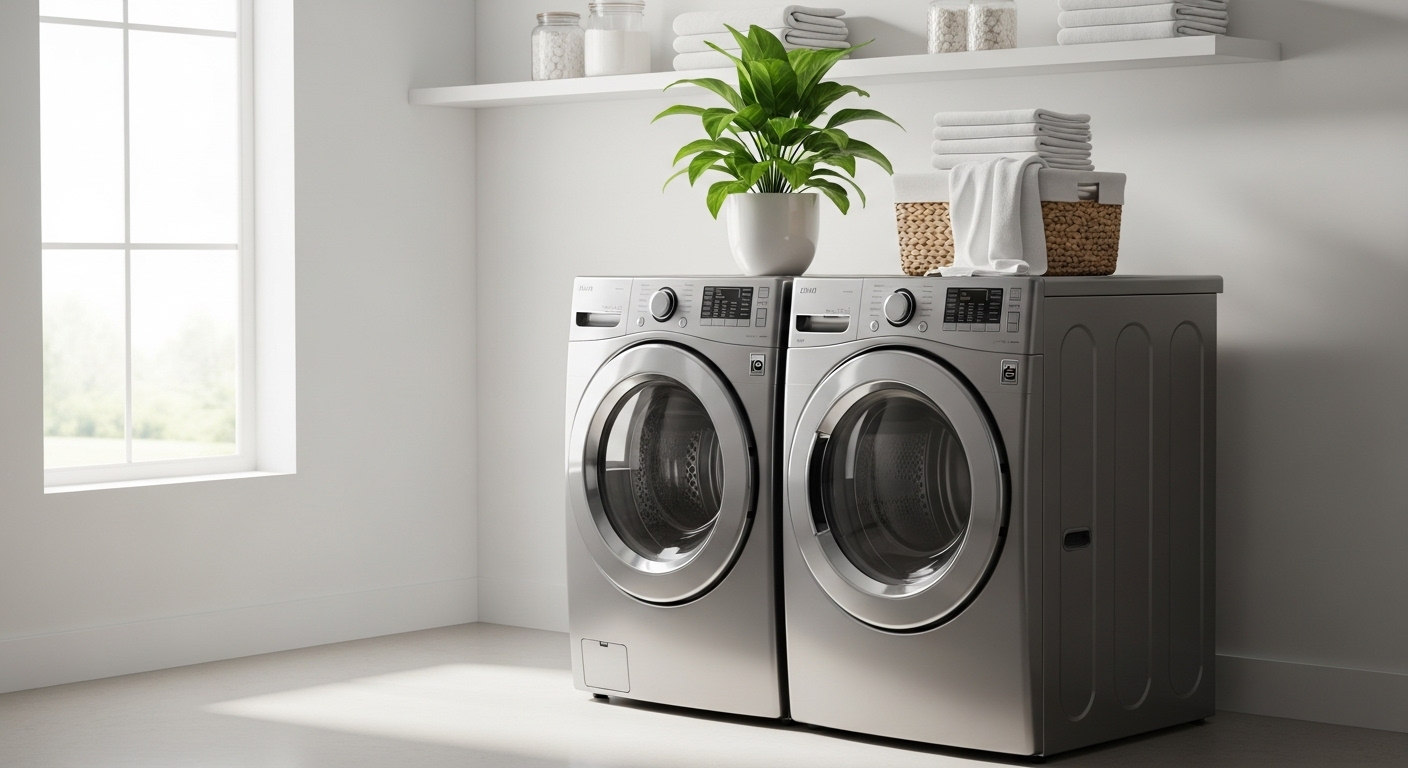
Small Changes That Pack a Big Energy Punch
Now that we’ve identified the major energy villains in your home, let’s talk about some surprisingly simple fixes that can start saving you money immediately, even before you consider major appliance upgrades. These aren’t complicated renovations or expensive installations—they’re smart adjustments that take advantage of how energy-efficient appliances are supposed to work. First up, let’s tackle those phantom load carriers that are secretly draining power 24 hours a day. This might sound like something out of a horror movie, but it’s actually a very real phenomenon affecting 75% of the electricity that powers home electronics. Your coffee maker, DVD player, computer, printer, and even that cell phone charger are all drawing power even when they’re supposedly “off.” The solution is embarrassingly simple: unplug these devices when you’re not using them, or better yet, plug them into a power bar that you can switch off with one flick. Temperature settings are another area where small adjustments create big savings. In summer, setting your thermostat to 24 or 25°C instead of cranking the air conditioning can significantly reduce energy consumption. During winter months, keeping your thermostat at 19 or 20°C and adding some cozy layers can slash your heating costs without sacrificing comfort.
Kitchen Optimization Tricks
Your dishwasher offers some fantastic opportunities for energy savings that most people completely overlook. Here’s the thing: dishwashers use the same amount of water whether they’re half-full or completely loaded, so running partial loads is essentially washing money down the drain. Wait until you have a full load, and when you’re ready to replace your current dishwasher, prioritize finding a water-saving, Energy Star qualified model that will continue saving you money for years to come. The Fraser Valley Regional Library has actually introduced thermal leak detector kits that you can borrow for free with your library card. These tools help you identify areas in your home where heat might be escaping, allowing you to plug holes and caulk windows to reduce overall energy loss throughout your property.
The Real Cost of Hanging Onto Old Appliances
Let’s crunch some numbers that will probably make you want to start shopping for new appliances immediately. Energy Star labeled appliances typically save between 10-50% on energy consumption compared to standard models, which translates to real money back in your pocket every single month. For a typical Fraser Valley home, upgrading from 1970s-era appliances to modern efficient models could reduce total energy consumption by about 30%. Breaking this down further, if your home currently uses about 120 gigajoules of energy per year (which is average for our region), implementing energy efficient renovations could slash that number significantly. High-efficiency furnaces alone can reduce heating requirements by approximately 40%, which represents about 15% of your home’s total annual energy consumption. When you start layering these savings across multiple appliance upgrades, the cumulative effect becomes seriously impressive. The payback periods for these investments vary depending on the specific appliance and your current usage patterns. Simple measures like installing programmable thermostats typically pay for themselves within 1-2 years, while major appliance replacements might take 5-15 years to break even. However, when you factor in the improved reliability, reduced maintenance costs, and increased home value, the financial benefits extend far beyond just energy savings.
Available Rebates and Programs
Here in British Columbia, residents have access to several programs designed to make energy-efficient upgrades more affordable. The CleanBC Better Homes Program offers various incentives for homeowners looking to reduce their energy consumption and greenhouse gas emissions. BC Hydro’s PowerSmart program provides additional rebates and resources specifically focused on residential energy conservation. These programs can significantly offset the upfront costs of purchasing energy-efficient appliances, making the transition much more budget-friendly for Chilliwack families.
Frequently Asked Questions
How much money can I actually save by upgrading my old appliances?
The savings depend on the age and condition of your current appliances, but Energy Star certified models typically reduce energy consumption by 10-50% compared to standard appliances. For an average Fraser Valley home, this could translate to hundreds of dollars in annual savings. A high-efficiency refrigerator alone might save you $200-400 per year compared to a model from the early 2000s.
Which appliance should I prioritize replacing first?
Start with your refrigerator since it’s the biggest energy consumer in most homes, running continuously 24/7. After that, focus on your dryer, which typically ranks as the second-highest energy user. These two appliances offer the greatest potential for immediate energy savings and the quickest impact on your monthly utility bills.
Are there financing options available for energy-efficient appliance purchases?
Yes, many retailers offer financing programs specifically for Energy Star appliances, and some utility companies provide low-interest loans for energy efficiency upgrades. Additionally, BC’s various rebate programs can help reduce the upfront costs, making efficient appliances more accessible for budget-conscious homeowners. Some credit unions also offer green financing options with favorable terms for energy-efficient home improvements.
Wrapping Up
Your monthly energy bill doesn’t have to be a source of constant stress and budget strain. By understanding how old appliances are secretly doubling your energy costs and taking strategic action to address the biggest energy drains in your home, you can regain control over your utility expenses while improving your overall comfort and home value. If you’re ready to tackle appliance upgrades but want professional guidance on installation or repairs, Sardis Appliance Repair Chiliwack is here to help ensure your new energy-efficient appliances are properly installed and maintained for optimal performance. Our experienced team can help you maximize your energy savings while avoiding costly installation mistakes that could void warranties or reduce efficiency. Contact us today to discuss how we can support your journey toward a more energy-efficient home.